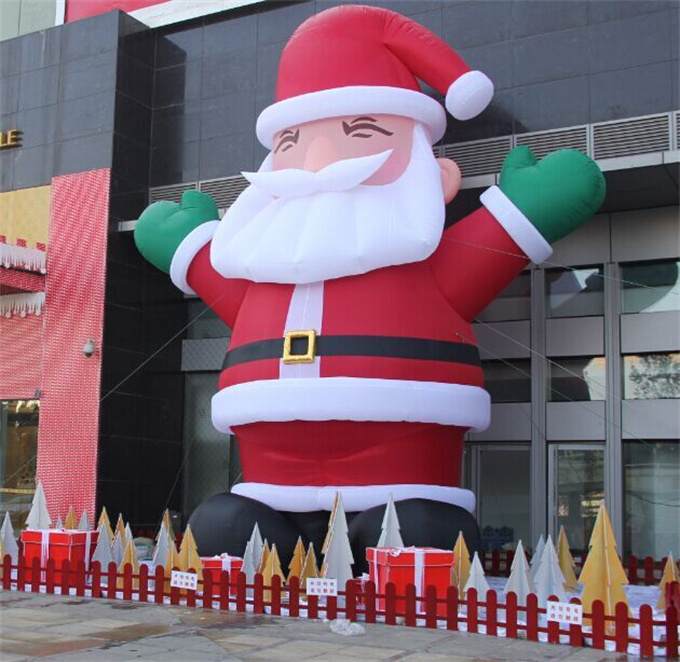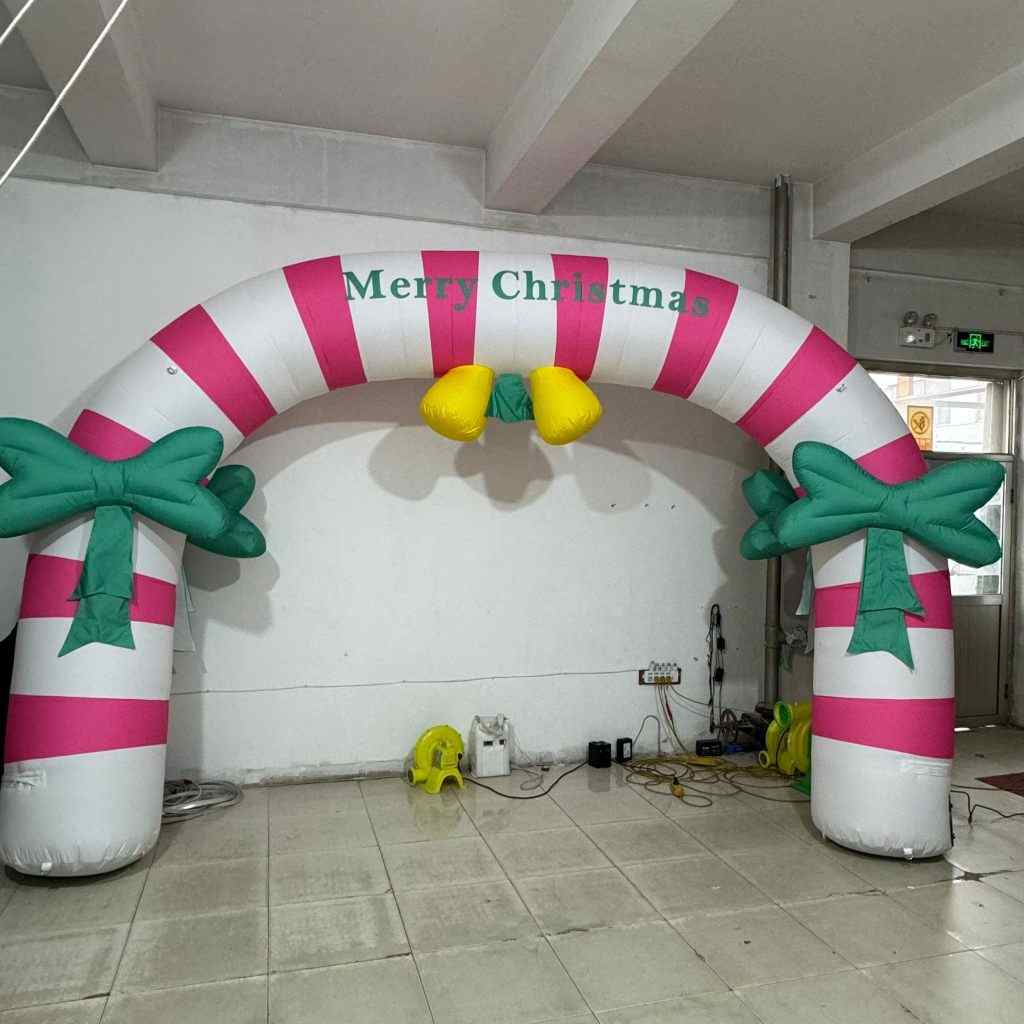

Large Christmas inflatable items must go into storage only after thorough cleaning, full drying, careful checking, and safe deflation. Business crews frequently shift these exact displays from one event space to another. Therefore, storing them is a normal part of the item’s working life. A solid plan guards the material and the printed graphics. It also holds the extra parts together. Furthermore, it provides the upcoming season’s crew with accurate details.
What Should a Commercial Christmas Inflatable Storage Plan Include?
Your plan should include the product name. It must also show the event location. Record the present condition of the equipment as well. Make sure to write down all spare parts. You should log any required repairs. Furthermore, record the exact storage location and name the assigned manager. Finally, add the date for the next inspection. How to care for holiday inflatables offers a useful manual. You can use it to organize these maintenance steps. Store the packaged unit carefully. Keep it far from wet equipment. You must avoid sharp objects and strong chemicals. Also, do not place it in tight areas. This prevents the boxes from being crushed.

Why Does Post-Season Storage Affect Reuse?
Water, grime, lost pieces, and hidden harm can change a basic setup into a slow process. A clear status record lets the crew request fixes early. They can also get new parts and try out the gear before the busy holiday time starts. The true worth of a Christmas inflatable relies on the physical display and the working steps surrounding it.
What Should Teams Record Before Deflation?
Note the exact spot, take pictures, and log the running hours. Write down the weather impacts, seen harm, the light status, and the blower state. Also record the tie-down spots, fix notes, and the packed extra items. Mark every sack clearly. Keep the instruction book and the price quote or model number right with the storage log.
How to Clean and Dry Large Christmas Inflatables Before Packing
Start the cleaning process only after you unplug the product. Verify it is safe to touch first. Softly wipe off any surface dust. Then, apply only the approved cleaning supplies. Check the bottom sections closely. You must also review the seams, zippers, and tie-down rings. Look over the power cords and the lighting components next. Spread the item flat. This step lets air flow into the creases. It also dries out hard-to-reach spots. Do not pack the product if it remains wet. Water can easily stay trapped inside the creases during storage.
What Is the Best Way to Clean Outdoor Christmas Inflatables?
Regarding what’s the best way to clean outdoor christmas inflatables?, just follow the exact care steps. Apply a soft, approved cleaning style. Stay away from strong liquids and rough scraping tools. Let the material dry completely before you fold it. Take pictures of faded print, holes, bad stitches, or lost pieces. Then, add these notes to the item’s main file.
How Should Buyers Interpret Are Christmas Inflatables Waterproof?
The query are christmas inflatables waterproof needs an answer based on the exact model. Consider the texture, threads, ventilator,, lights plugs and permitted limiting boundaries. Do not just assume that an item can remain inflated or plugged in whenever it rains. Storing rules and run the asset of maker straight into this gear.
How to Deflate, Pack, and Protect Stored Inflatables
Apply a safe air-release method. Keep workers far from running parts and damp power plugs. Take off the extra parts. Check the outer cover while it remains easy to reach. Fold it along the normal seams, and put it in the right sack or box. Place the packed item in a dry, safe space. Leave enough room around it to stop squashing or rubbing.
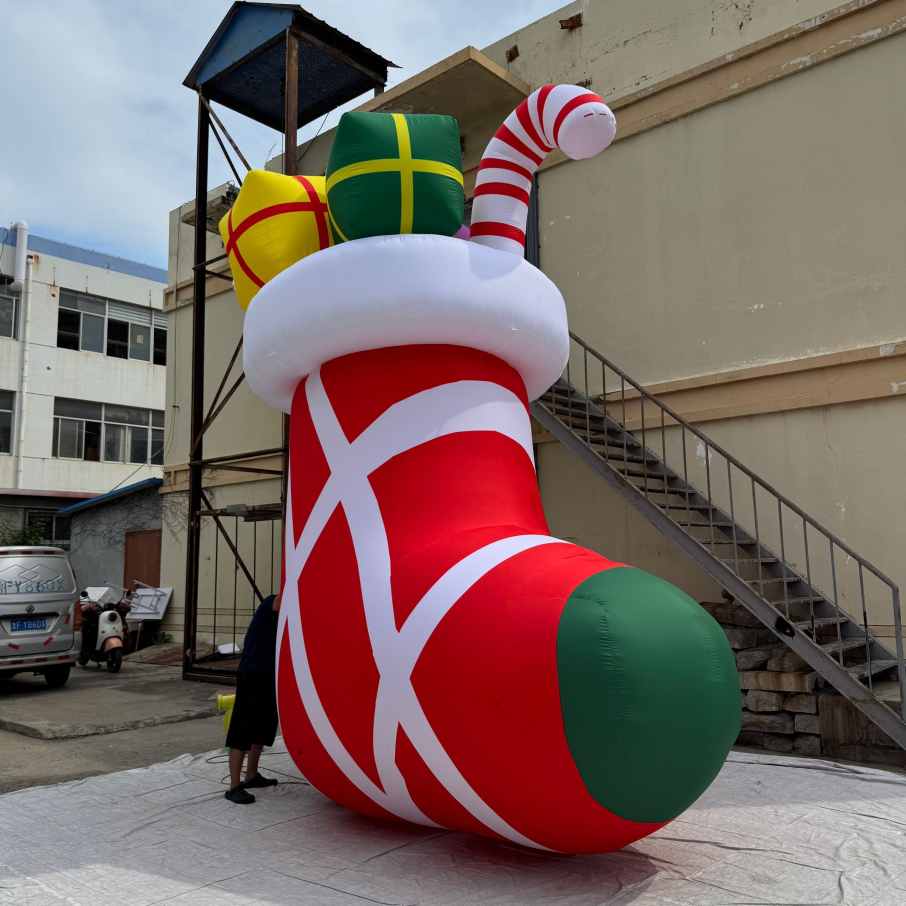
Can You Leave Inflatable Decorations in the Rain Before Storage?
The question can you leave inflatable decorations in the rain must not get a simple yes or no reply. Follow the selected model’s weather procedure. Cover or unplug the electric parts as told. Then, shift the item to a safe drying zone. Do not pack or close up the unit until the material and the extra parts are totally dry.
How Should Teams Protect Christmas Trees Before Deflation?
Right before letting the air out, check the tie-downs and stop public entry. how to keep outdoor christmas trees from blowing over is mostly a setup task. Use the right tie-downs and weather steps for that exact model and place. After that, finish the power check list. what are the typical power requirements for large christmas inflatables should guide crews to test the power level, the plug, the cord, the blower, and the light links. They must also check the shut-down tasks before boxing it up.
How AIRART Supports Long-Term Christmas Inflatable Use
We can talk about washing, drying, boxing, storing, fix kits, instruction books, and post-sale issues for our Christmas inflatables and holiday decoration products. Our staff can also assist buyers in checking the next-season setup plan. This covers extra parts, lights, blower setups, and shipping times. Good records assist our clients in making a helpful price quote. They also stop wrong guesses about exact model care.
FAQ
Q: How dry should a Christmas inflatable be before storage?
A: The material, the stitches, the creases, the extra parts, the blower, the lights, and the sack all need to be dry per the item rules. If a spot stays wet, keep drying it before packing.
Q: Can Christmas inflatables be stored after rain?
A: Yes, but only once the item is washed, checked, and totally dried using the right care steps. Don’t close up wet gear in a sack.
Q: What power and blower checks should be completed before packing?
A: Check the blower, the cord, the plug, the power details, the light links, and the plug state, plus any fix or change notes. Keep these logs with the boxed item. For many units, apply a basic stock tag: the item name, the amount, the parts count, the storage spot, and the next check date. That way the right sack is found fast, and every piece can go back to the exact same safe spot after testing.