Why Are Easter Inflatables Vulnerable to Rain Damage?
What Makes Easter Inflatables Susceptible to Rain Damage?
Easter inflatables add bright colors and fun to outdoor holiday spots. However, their fabrics can make them prone to water harm. Most of these items use light synthetic materials like Oxford cloth or polyester. These are tough, but they might soak up water if not well protected. Long contact with rain lets moisture enter seams and stitch lines. This can lead to mold or harm inside.
All the inflatables come from various mixed polymer fiber fabrics. These suit different settings and looks. Such makeup offers good strength and bendiness. Yet, it needs solid waterproof steps to stop water from getting in. When facing steady rain, the fabric’s outer pull might lessen. Then, water gathers and harms color brightness and air holding.
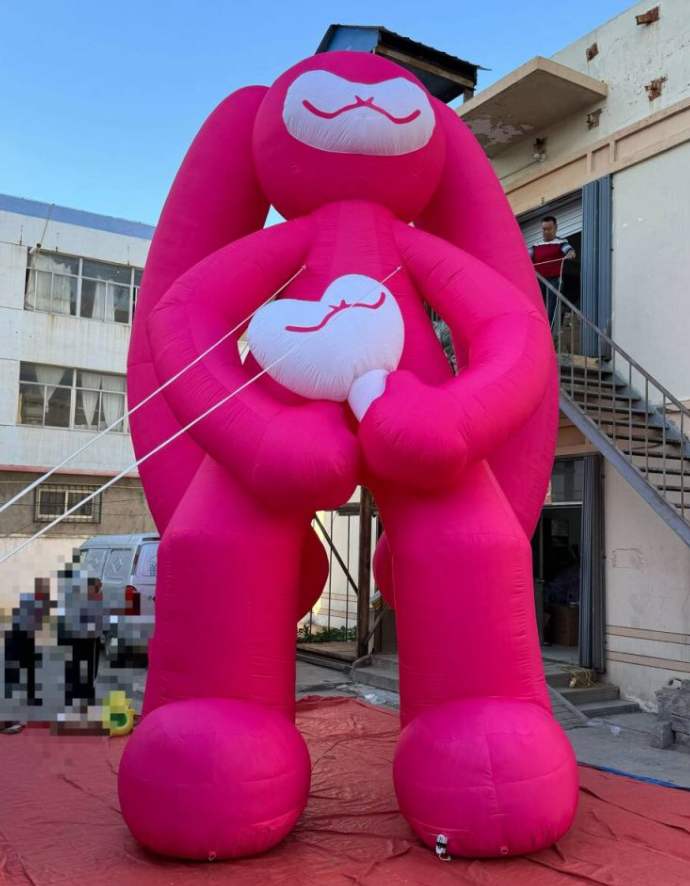
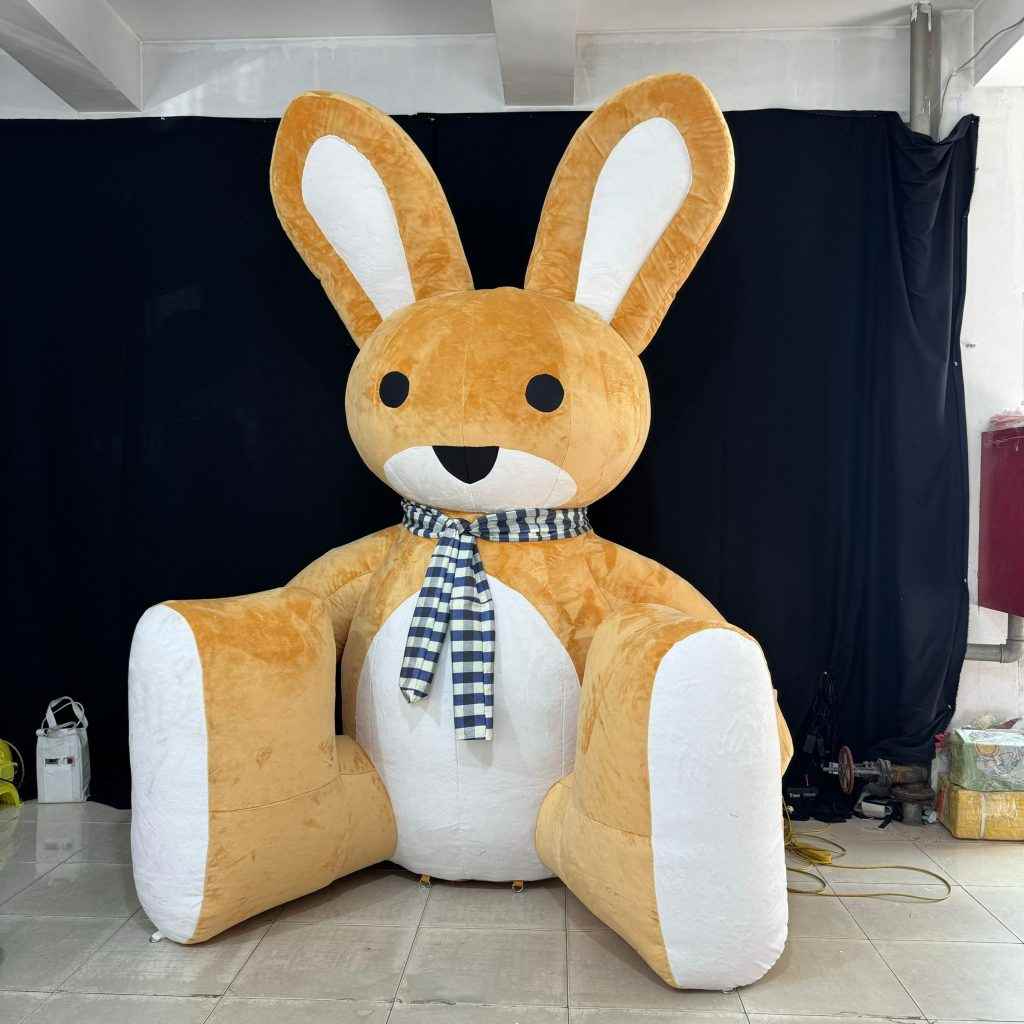
Moreover, conditions like gusts and dampness can weaken the build. The inflatable gets heavier as it takes in water. This puts extra load on seams and tie-down spots. In the end, it might sag or lose its form. This happens a lot with big Easter types, such as bunny or egg yard shows.
How Does Prolonged Moisture Exposure Affect the Durability of Easter Inflatables?
If Easter inflatables stay damp for long times, their inner fans and electric parts face breakdown risks. Water buildup near motor covers can lead to rust or electrical faults. Also, if you don’t dry them right after use, fungus can grow in folded spots during storage.
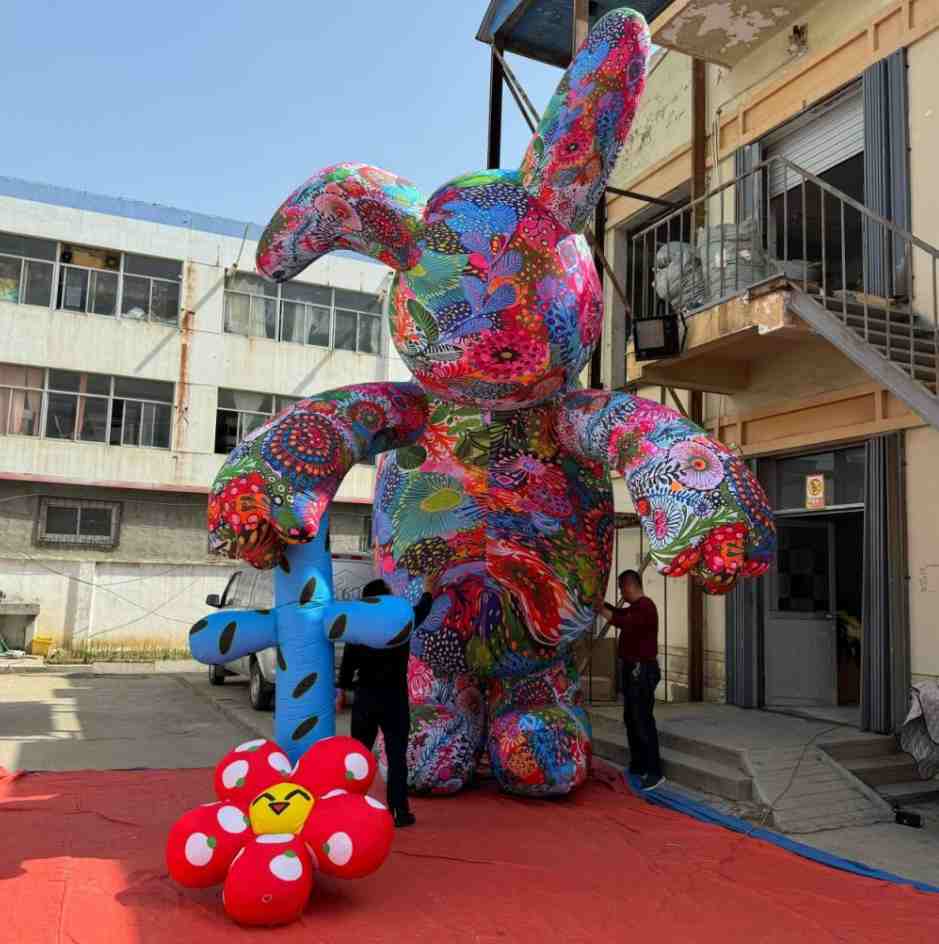
To keep them lasting, pick ones with top-notch layers that push away water well. The heat-transfer printing method keeps pattern shades from dulling. So, even after rain hits, the pretty designs stay lively through many seasons.
How Weather Conditions Can Affect Structural Integrity
Strong rain mixed with wind force often causes uneven load spread on inflatable sides. This unevenness can undo tie points or rip at key joins. Plus, shifts in temperature after rain can create dew inside closed parts. Over time, this softens glues or sewn links further.
How Can You Properly Prepare Easter Inflatables for Rainy Weather?
How to Properly Anchor Inflatables to Prevent Water Damage
Securing is key to guard your Easter inflatables in changeable spring weather. Fierce winds with rain can lift or tip loose setups. Tough stakes and heavy sandbags keep them steady, even when soaked.
They include fitting D-rings. These let you tie ropes firmly to the ground for more steadiness. On grass or loose dirt, make a small tilt. That way, rain flows off the base. It avoids pooling under the inflatable.
Making sure water drains well near your area stops soaking. This protects lower cloth parts or electric bits from getting too wet.
Protective Measures for Easter Inflatables During Rain
Do Waterproof Covers and Tarps Really Protect Easter Inflatables from Rain?
In mild rain, shields can greatly lengthen your inflatable’s life. Pick water-repelling sheets that fit closely over your Easter items. They should not press too hard on them. The best one lets air move while blocking rain drops.
Attaching shields tightly matters just as much. Loose ones might whip in high winds and uncover sections below. Use stretchy ropes or fasteners linked via built-in D-rings for a solid grip.
Our AIRART holiday decoration inflatables are crafted with resilience in mind — Holiday inflatables for Christmas, Halloween, Easter, New year etc., design different inflatable products to suit for different holiday parties themes. This means our designs already account for variable outdoor conditions like humidity and light rainfall.

Should You Deflate Your Inflatables in Heavy Rain?
If heavy showers or storms are coming, it’s smart to let out the air from your Easter inflatables. Check the weather strength first. This helps skip needless strain on motors and cloths.
Letting air out in bad storms stops too much pressure in air pockets. That comes from caught water and wind blasts. After deflating, fold the cloth loosely in a covered spot until weather gets better.
What Should You Do After It Rains to Protect Your Easter Inflatables?
Steps for Drying and Storing Inflatables After Rain Exposure
Once rain stops, gently clean off outer water with dry cloths before letting all air out. Let it dry fully in a shady place. Direct sun might fade it if left too long.
Our usual practice is that we will ship handbag and repair kits with your inflatables so that you can repair it by yourself in the future. This ensures minor punctures caused by environmental exposure can be easily fixed before storage.
Good drying stops fungus from starting in creases or seams when stored. Keep your Easter inflatables in airy sacks, not sealed plastic boxes. This lets any left-over dampness fade away.
Why Choose AIRART for High-Quality Custom Easter Inflatables?
How AIRART’s Products Stand Out in Durability and Design
At AIRART, we mix fresh ideas with exact building skills. This makes sure our items handle many settings while keeping nice looks. Design. Make. Install. At AIRART, we bring our experience and passion to every inflatable we create. From conceptualization through production, our team uses advanced 3D modeling software so customers visualize their designs during development stages.
Our materials — composite polymer chemical fiber fabrics suitable for different environments — provide superior resistance against water absorption compared with conventional nylon-based alternatives used elsewhere in the market.
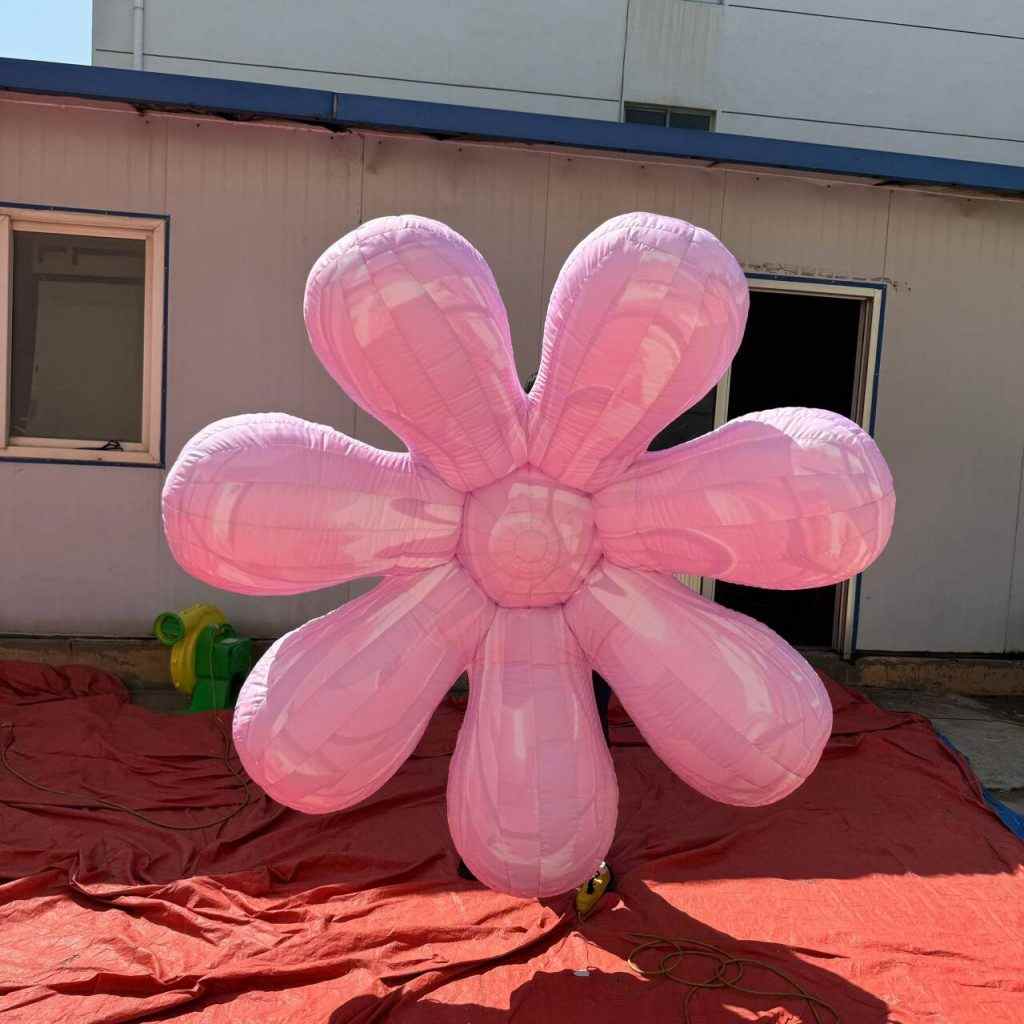
For example, our Giant Pink Inflatable Sun Flowers, though primarily designed for love-themed events, showcase how waterproof coatings maintain structure even under damp conditions while retaining vivid coloration thanks to high-definition heat-transfer printing technology.

Furthermore, Unleash Your Creativity with Unique Event Decoration Inflatables Products reflects our commitment to helping customers design personalized solutions suited for every occasion — including weather-resistant options perfect for outdoor Easter celebrations.
Our professional service philosophy ensures reliability: After sales service is aimed at helping customers solve problems so that customers can feel relieved and satisfied.
FAQ
Q: What are the best materials for rain-resistant inflatables?
A: Inflatables made from heavy-duty PVC or polyester with waterproof coatings are ideal because they resist water absorption while maintaining flexibility under varying temperatures.
Q: Can I use household items to protect my inflatables from rain?
A: Yes, tarps or large umbrellas provide temporary coverage; ensure they’re tightly fastened so wind doesn’t displace them during storms.
Q: How often should I check my inflatables during rainy periods?
A: Regular checks every few hours help detect early signs of pooling water or instability around anchor points before serious damage occurs.
Q: Do AIRART’s Easter inflatables include waterproof features?
A: Yes — our holiday decoration line incorporates durable Oxford fabric treated with protective coatings designed specifically for outdoor use across seasons.
Q: How long do AIRART inflatables typically last outdoors?
A: With proper maintenance and occasional repairs using included kits, most AIRART products maintain performance quality for more than three years according to customer feedback worldwide.