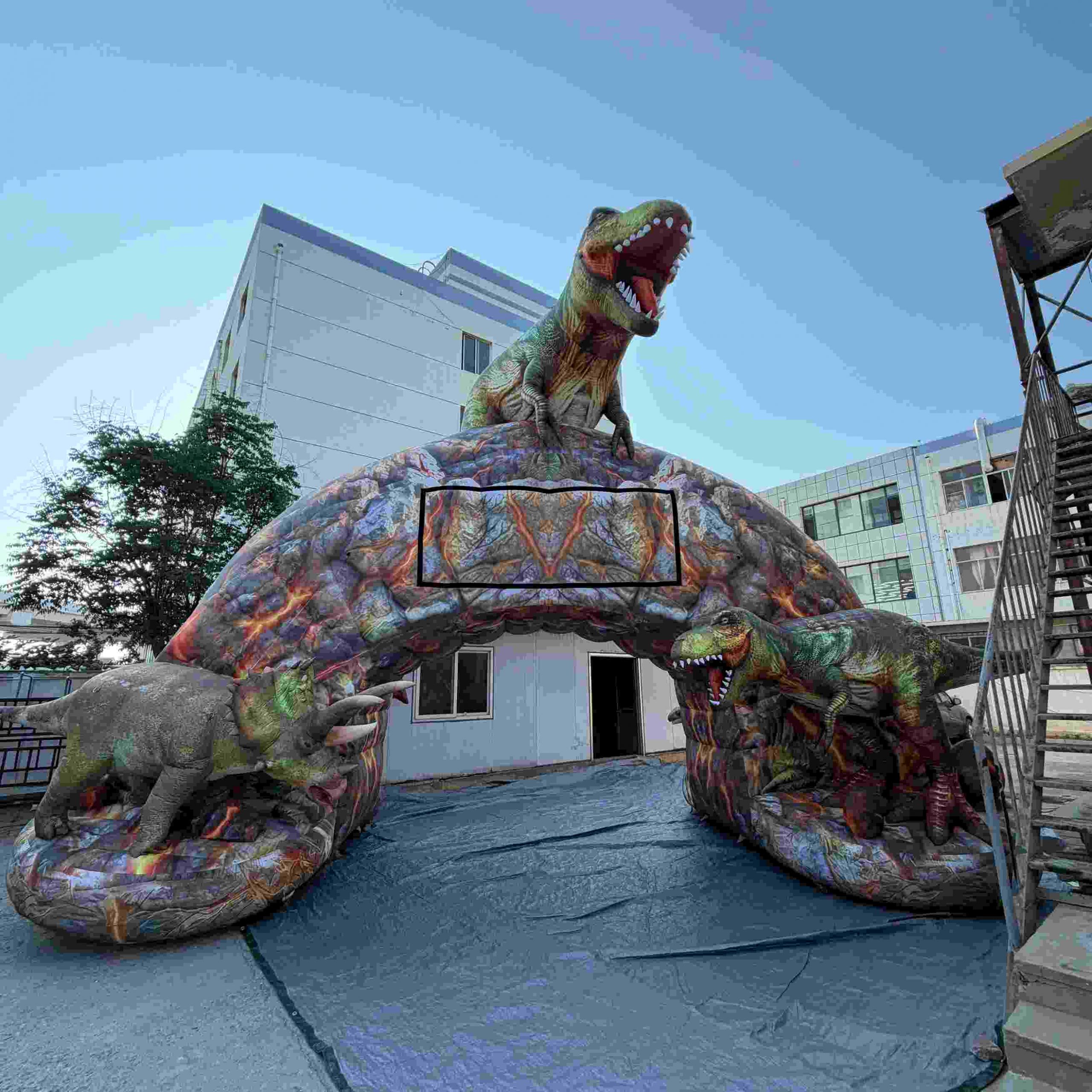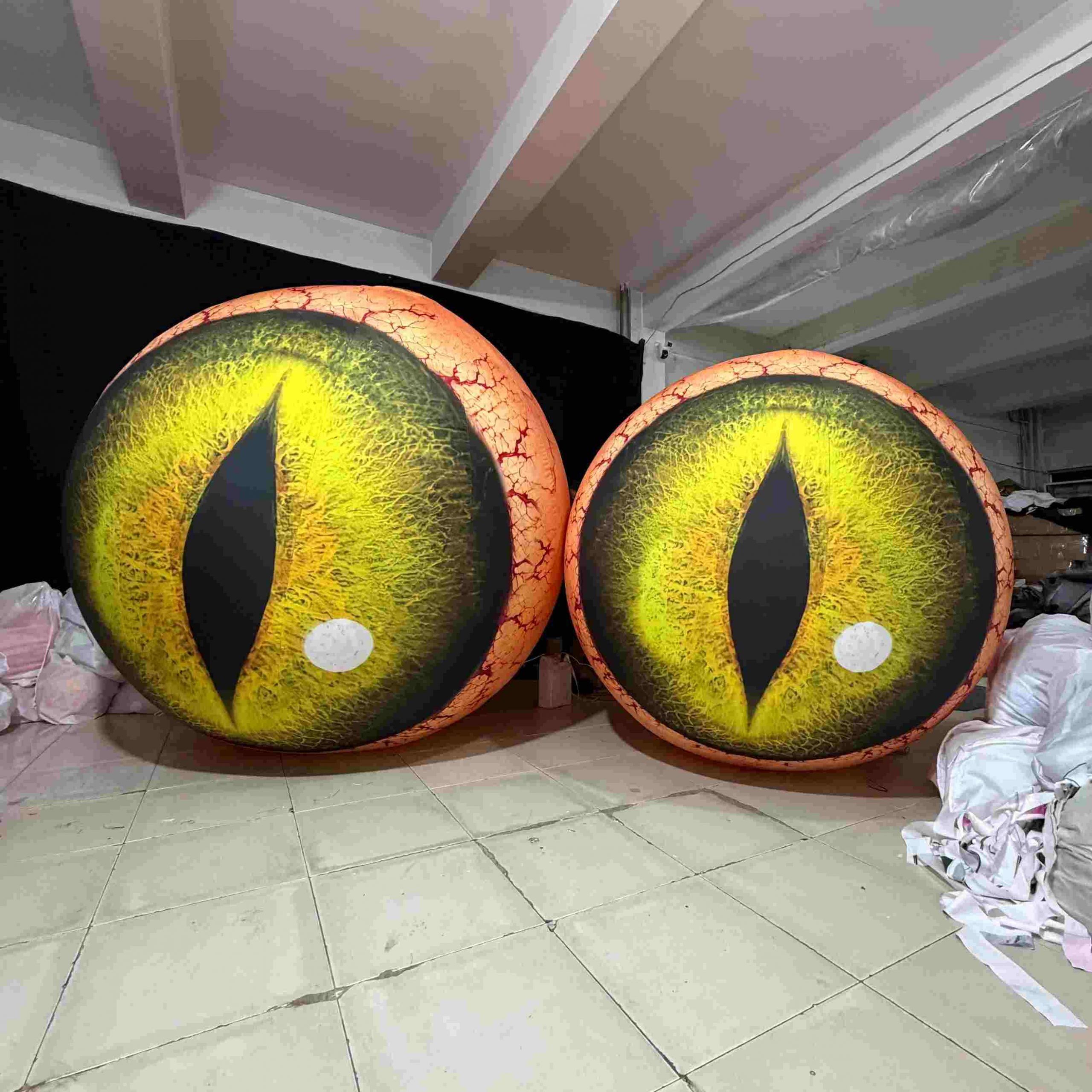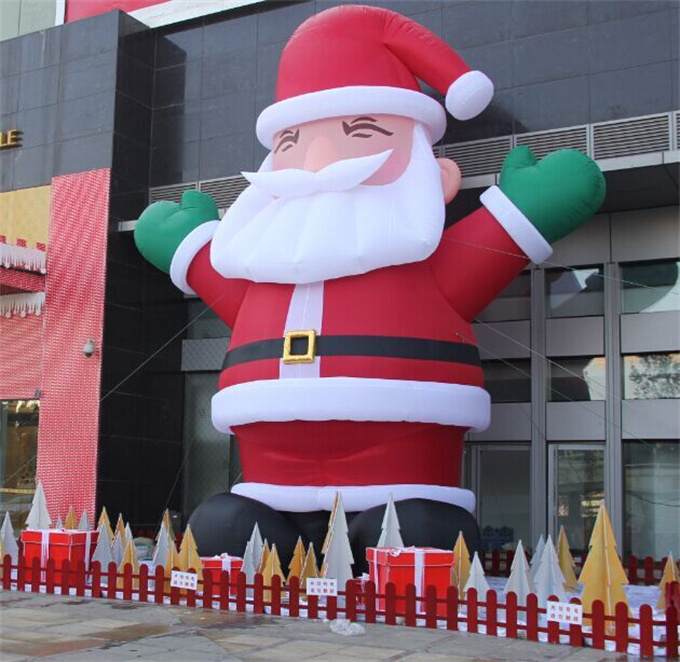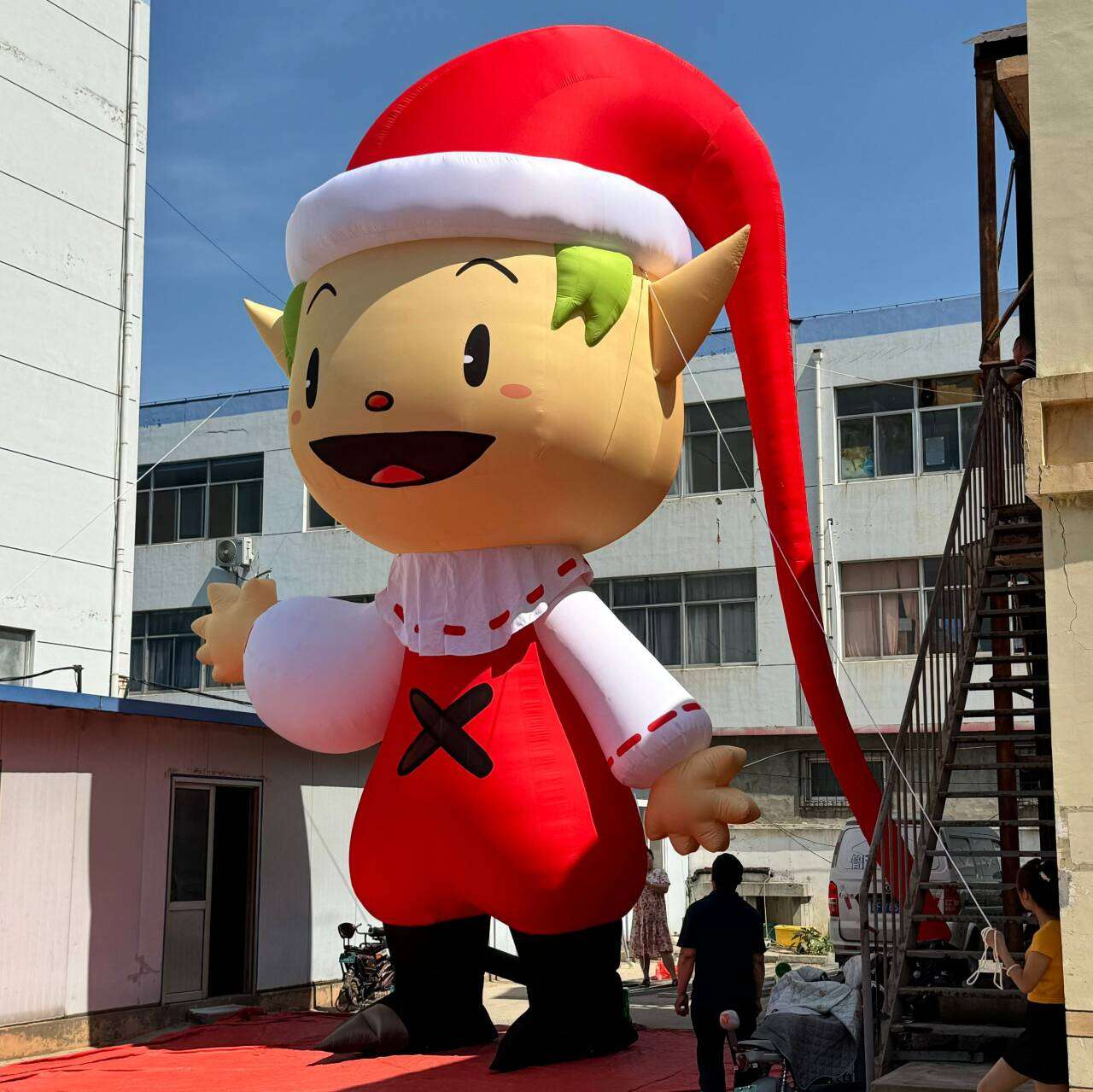
Choosing a Halloween inflatable tunnel is not only a creative decision. The correct width, height, and length must match visitor flow, venue clearance, installation access, and daily operating needs. A tunnel that looks impressive in a product image may still be unsuitable if guests cannot move comfortably or if the installation area has overhead obstacles.
What Should Buyers Record Before Choosing a Size?
Before requesting a design, record the route, expected audience, operating hours, queue area, entrance and exit points, service access, and available storage. Note whether the tunnel will be used by families, children, adults, or mixed groups. These details help a supplier understand the real purpose of the Halloween inflatable tunnel instead of quoting a generic size.
The Three-Dimension Decision Sequence
A practical sequence is to confirm the usable width first, check the required height and overhead clearance second, and then determine the length. Width controls movement and supervision. Height affects visual impact and site compatibility. Length influences visitor dwell time, footprint, queue management, and production complexity.
What Width and Height Should a Halloween Inflatable Tunnel Have?
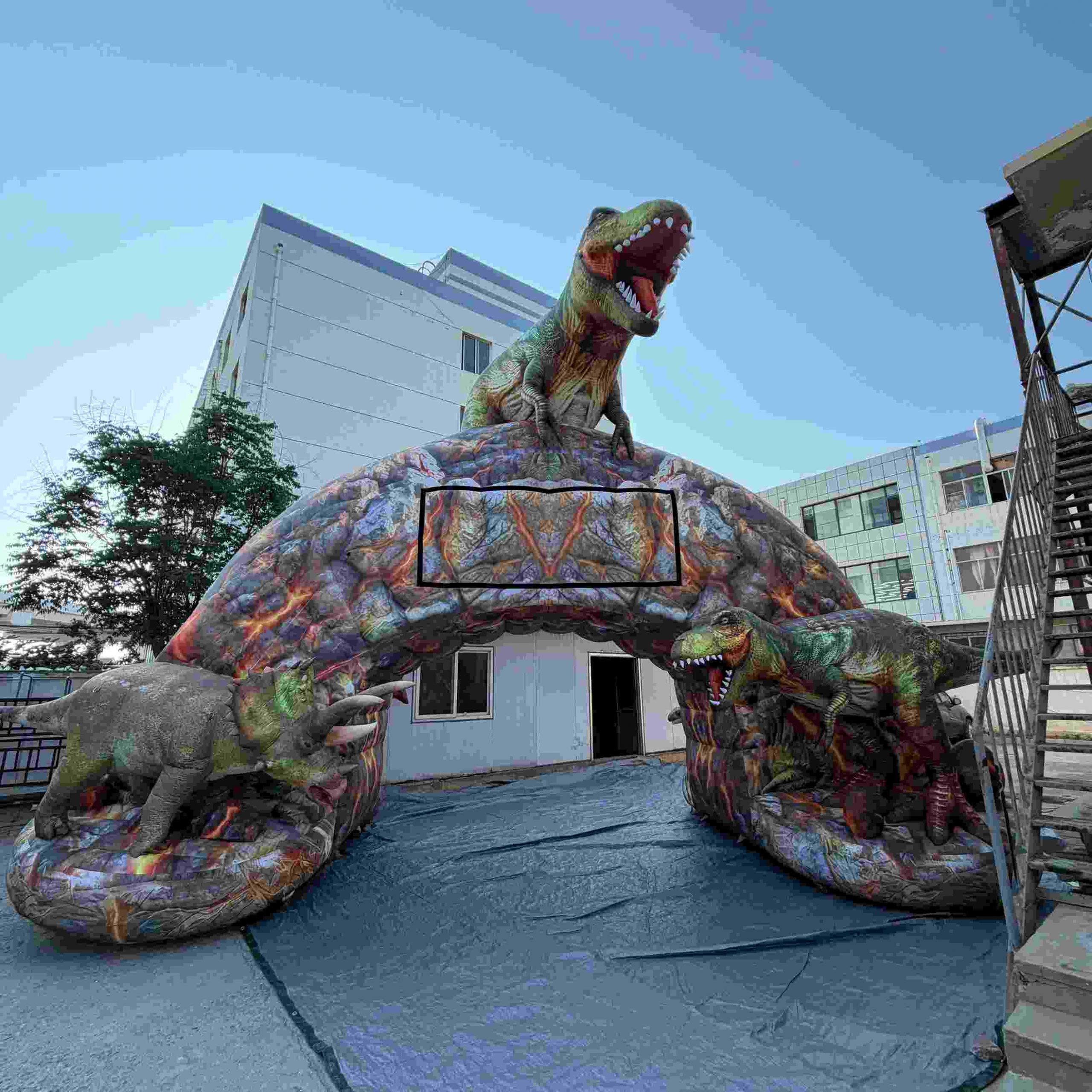
The usable cross-section should be planned around people, staff, equipment, and the surrounding venue. Do not measure only the empty ground area. Include the space needed to bring the product in, position it, inspect it, and remove it after the event.
How Should Width Serve People, Queues, and Equipment?
Width should support the intended visitor flow. A single-direction experience may need a different clear passage from a space where visitors stop for photographs or where staff supervise children. Also consider queue overflow outside the entrance and the movement of packed equipment through doors or service corridors. For an inflatable Halloween tunnel, the supplier should receive both the desired internal passage and the total external footprint.
What Height and Overhead Clearance Should Be Recorded?
Record the lowest overhead point along the route, including tree branches, signs, lighting, cables, ceilings, and temporary structures. Separate the desired visual height from the maximum permitted height. This distinction helps the design team balance visibility with site restrictions. Any maintenance or lighting access above the tunnel should also be noted before the design is approved.
How Should Length and Entrance Form Shape the Visitor Journey?
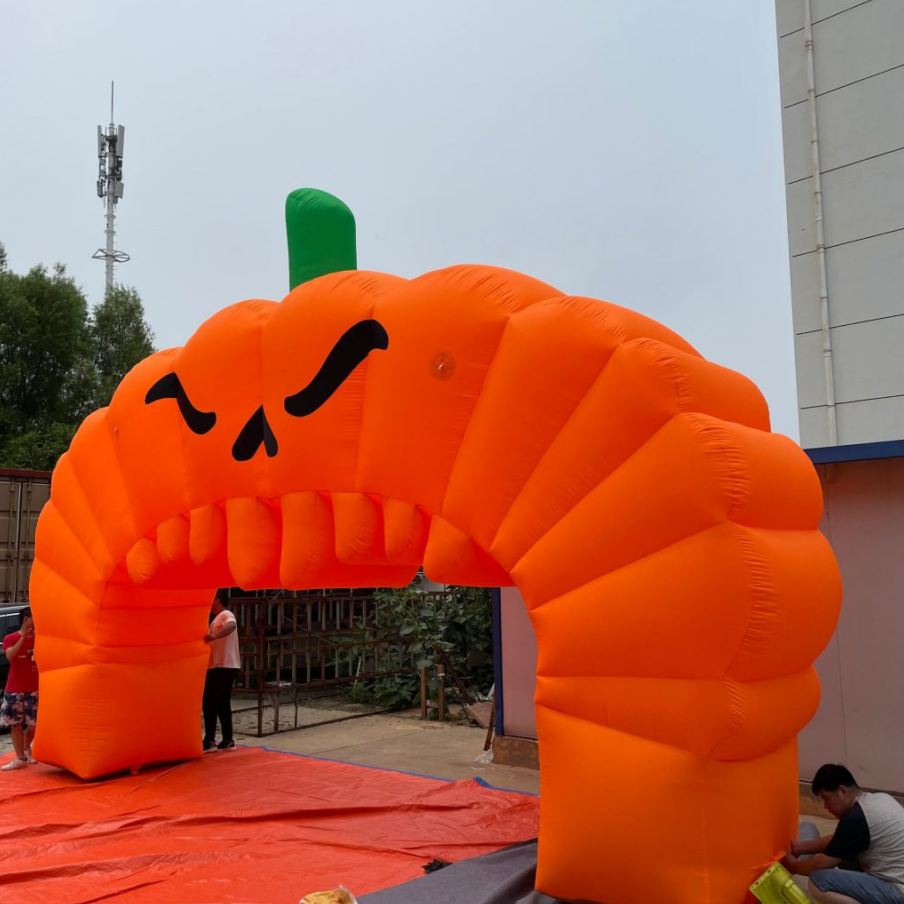
Length should support the experience rather than simply make the structure larger. A short route may work as a photo moment or branded entrance, while a longer route can create a stronger sense of discovery. The correct form depends on how long visitors are expected to stay inside and how easily staff need to see the route.
How Does Length Affect Dwell Time and Sightlines?
A longer Halloween inflatable tunnel can create more space for graphics, lighting, and themed scenes, but it also occupies more ground and may slow movement. Review the sightline from the queue, the visibility of the exit, and the ability of staff to monitor visitors. If the tunnel is part of a busy event, a shorter route may provide a smoother turnover than a visually complex but difficult-to-manage installation.
When Is an Inflatable Arch Halloween Entrance More Practical?
An inflatable arch Halloween format can be more suitable when the venue needs a visible arrival marker without creating a long enclosed route. An inflatable archway Halloween design may frame a doorway, retail entrance, event zone, or photo point. Buyers comparing an inflatable Halloween entrance with a full tunnel should consider whether the main purpose is guidance, branding, decoration, or visitor movement.
Which Operational Details Should Be Confirmed Before Production?
Size is only one part of a usable outdoor display. The buyer should confirm the expected surface, power access, anchoring conditions, lighting preference, storage process, cleaning requirements, and installation schedule. These details affect the final specification and should be reviewed with the supplier.
Which Materials, Graphics, Lighting, and Maintenance Details Matter?
Ask which material and printing method are proposed for the intended environment, and request the care instructions for the specific product. If lighting is required, confirm the lighting position, power connection, and replacement process. The design brief should also mention graphic priorities, such as a logo, character face, directional message, or photo area. Avoid assuming that every product has the same outdoor or electrical specification.
How Should Buyers Compare the Best Halloween Inflatables 2026?
The best Halloween inflatables 2026 for one venue may not be the best choice for another. Compare each option by footprint, visibility, visitor function, storage, repeat use, customization, installation effort, and maintenance support. A large product may attract attention but create access problems. A smaller inflatable arch may perform better when the venue needs fast installation and clear wayfinding.
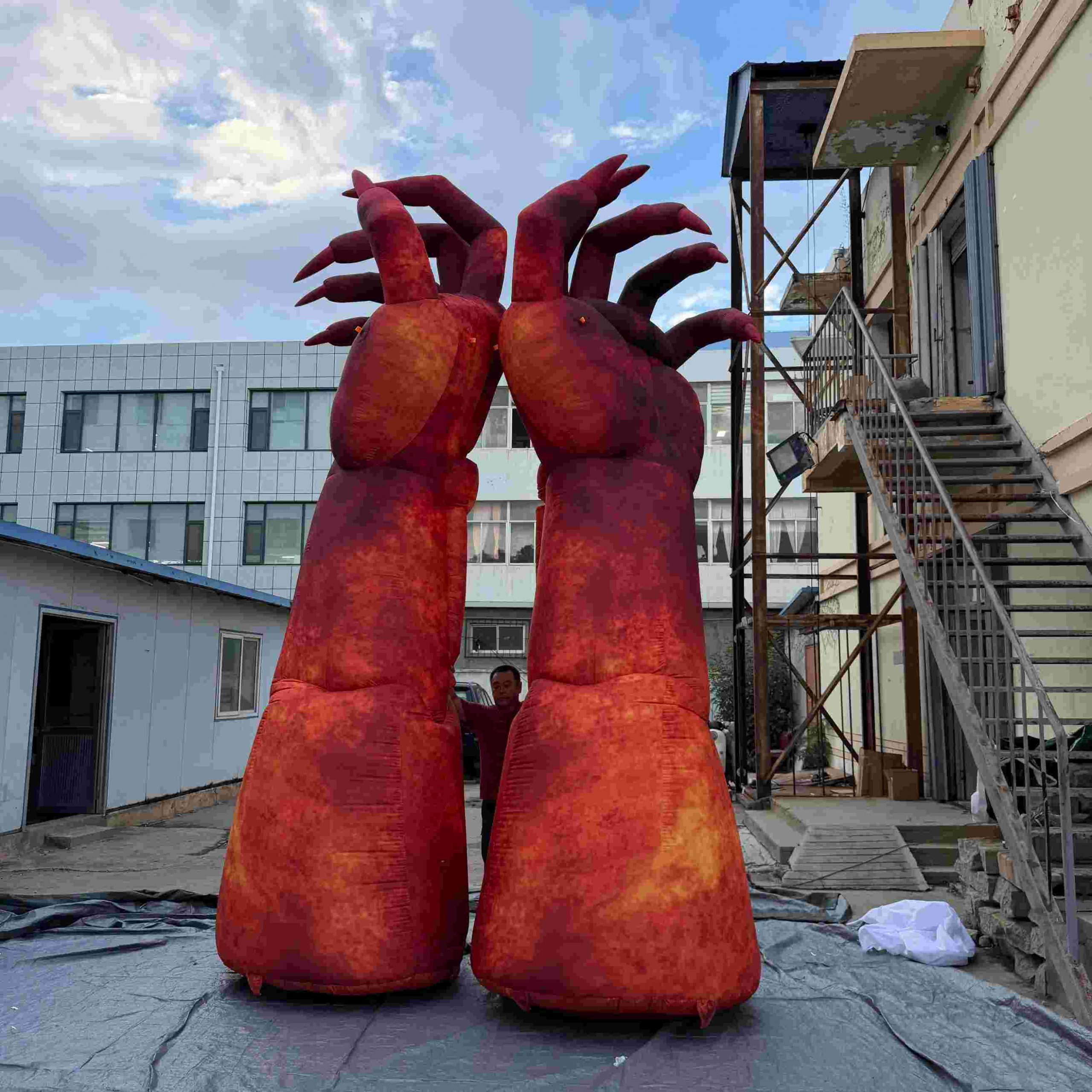
How Can AIRART Support the Final Size and Quote Review?
Once the dimensions are known, we at AIRART can review the design brief around the venue rather than around an assumed standard product. The buyer should provide measurements, photos, a simple site plan, preferred graphics, lighting expectations, and the planned use period.
What Should AIRART Review in a Custom Tunnel Brief?
The review should cover the proposed width, height, length, entry and exit, clearance risks, anchoring notes, lighting, graphics, and maintenance access. A marked-up photograph can be useful because it shows obstacles that may not appear on a basic floor plan. The purpose of the review is to identify design questions before production approval.
A Quote-Ready Halloween Inflatable Tunnel Handoff
A complete handoff includes the venue address, route measurements, overhead photos, operating dates, visitor profile, entrance format, artwork, color references, power information, anchoring conditions, packing expectations, and shipping deadline. This gives AIRART enough context to prepare a more useful design and quotation discussion for the Halloween inflatable tunnel.
FAQ
Q: What Is the Difference Between a Tunnel Brief and Halloween Costume Inflation?
A: A fixed tunnel is designed around a route, footprint, clearance, anchoring, and visitor flow. Halloween costume inflation refers to a wearable product that requires a harness, battery pack, operator movement, and a separate safety review. The two products may support the same event, but they should not share one measurement brief.
Q: What Should the Final Halloween Inflatable Tunnel Request Include?
A: The final request should include the required width, height, length, entrance and exit, site photographs, artwork, lighting preference, power conditions, anchoring information, storage plan, packaging needs, shipping deadline, and maintenance questions. The more complete the brief, the fewer assumptions are needed during design review.
Q: Final Inflatable Halloween Tunnel Measurement Checklist
A: Before submitting the request, confirm the route length, usable width, highest obstacle, lowest clearance, queue position, service access, ground condition, power location, fixing points, entrance visibility, exit visibility, and storage path. Keep the checklist with the site photographs so the design team can compare every dimension with the real venue.