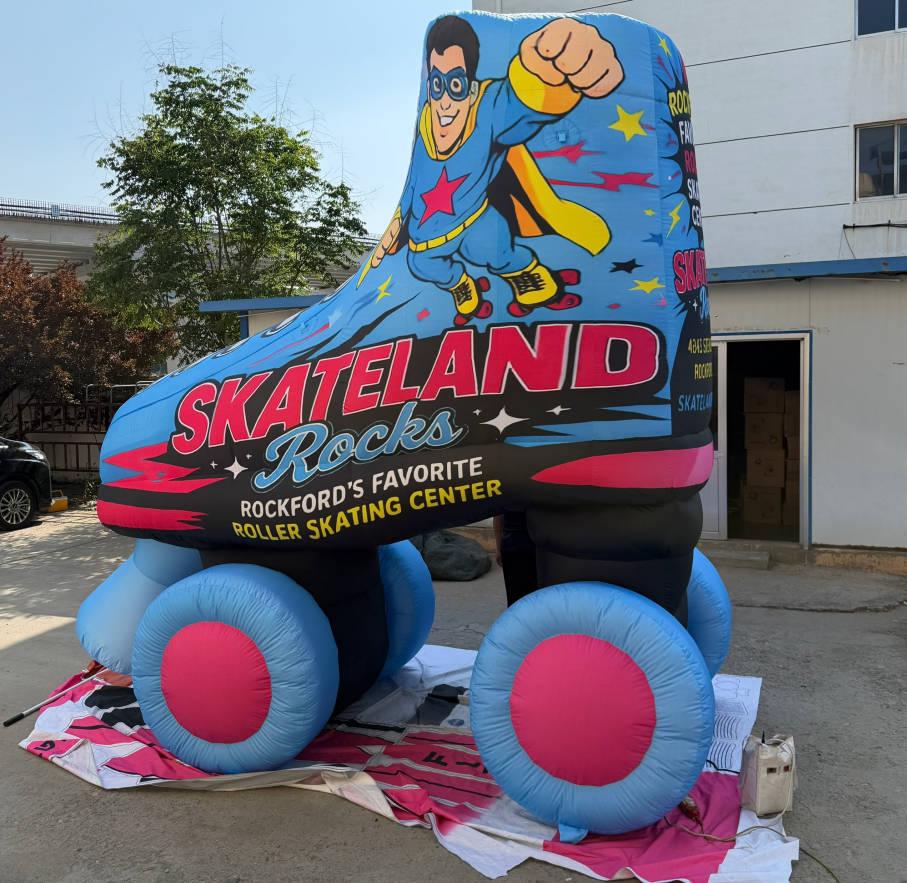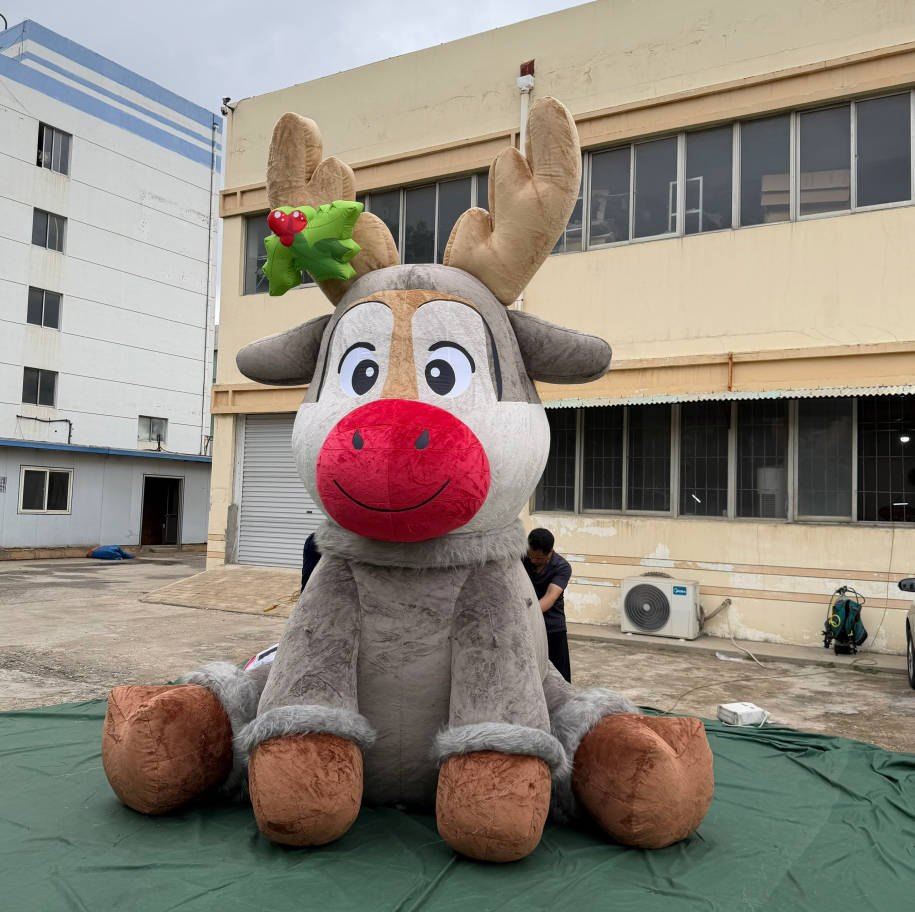
Giant advertising inflatables usually cost from the low four figures for a straightforward branded shape to well into five figures for a very large, engineered installation with complex artwork, lighting, rigging, or repeated-site requirements. A useful budget cannot come from height alone. Buyers need to define the campaign setting, viewing distance, operating hours, artwork, anchoring, blower system, shipping volume, and expected reuse. This 2026 guide explains how those decisions affect both purchase price and return.

What Price Range Should a B2B Buyer Expect?
Why is there no single price per metre?
An inflatable is a fabricated display, not a commodity roll of material. Two six-metre units can differ sharply when one is a simple sphere, and the other is an accurate product replica with many seams, internal supports, printed surfaces, and reinforced anchor points. A manufacturer also needs to know whether the display will stand outdoors, hang indoors, travel between shows, or remain installed for long periods.
Which budget factors are practical for planning?
For early procurement, buyers should plan around project complexity rather than rely on fixed price bands. A simple promotional shape with limited branding will generally require a smaller budget than a detailed product replica, mascot, walkthrough arch, or large-scale landmark installation. Costs rise as the design adds complex geometry, full-surface printing, internal lighting, specialist rigging, reinforced anchoring, or multiple units for different campaign locations.
The total budget should also account for items that may not be included in the factory quotation, such as freight, import duties, local engineering review, installation labour, lifting equipment, electrical requirements, storage, and site preparation. To receive a meaningful estimate, buyers should provide clear dimensions, artwork, application details, installation conditions, delivery location, and expected reuse.
Which Specifications Change the Cost Most?
How do size and shape affect labour?
Larger surfaces use more fabric, but geometric complexity is often the stronger cost driver. Curves, fingers, facial details, logos that must face several directions, and close product-replica tolerances increase pattern development and sewing time. A clean advertising inflatable balloon is generally more economical than an equally tall character with many protruding parts. Scale also changes blower capacity, packed volume, handling, and anchoring.
What do design, printing, and materials add?
A professional design team can develop a special shape around a buyer’s brief, while heat-transfer printing supports durable colour and detailed brand artwork. Lightweight Oxford cloth is easy to carry, strong, and suitable for many event applications.
High-resolution full-surface graphics take more preparation than a printed logo. Advertising inflatable balloons with shiny coatings, transparent areas, internal lighting, or specialist fabrics also changes the material and production costs.
Can Giant Inflatables Produce a Measurable ROI?
Which metrics should a campaign track?
Treat the inflatable as a media asset. For teams evaluating inflatable balloon advertising, record impressions using footfall and visibility assumptions, then measure QR scans, landing-page visits, coupon use, enquiries, photographs, social mentions, and event leads. For outdoor balloons advertising a store opening, compare traffic and conversion with a normal trading period. For trade shows, compare the cost per qualified lead with other physical media.
How do reuse and portability improve value?
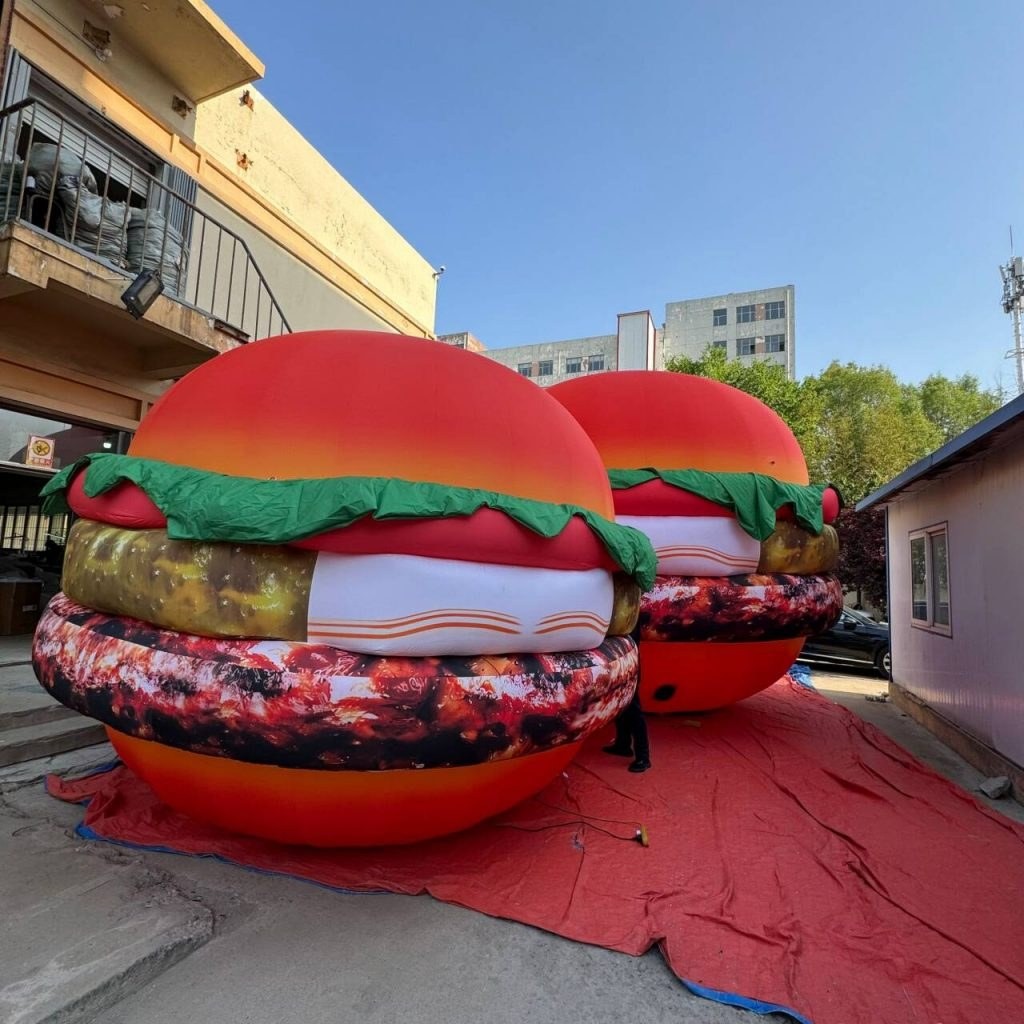
Large advertising inflatables are quite simple to move, keep, and set up. This is especially true when you compare them to stiff display frames. After you let the air out, they take up very little room. You can pack them away easily. Then, you can bring them out for trade shows, new product reveals, dealer meetings, store sales, and holiday marketing pushes. The exact setup depends on the specific design. You might place the same inflatable directly on the floor. Alternatively, you could hang it from an indoor ceiling. You can also modify it with proper D-rings, lights, and extra parts to fit various event spaces.
Such adaptability means one branded item can work for several different marketing drives. It is never restricted to just a single show or physical place. Using the item over and over lowers the overall expense for each event. It also helps companies keep a steady brand image across various sales regions.
Buyers need to look at the total project expense to judge the real value. This total includes making the item, shipping it, and setting it up. It also covers storage fees, electricity, worker wages, upkeep, and fixing damages. Next, buyers must weigh those expenses against clear results. These results include solid sales leads, foot traffic, customer questions, social media likes, and press coverage. They should also look at the price of other display options. Using the inflatable more frequently in good, premium locations leads to better results. Ultimately, this brings a much higher return on the initial purchase.
What Reduces Risk Before Production?
How should buyers assess the site and weather?
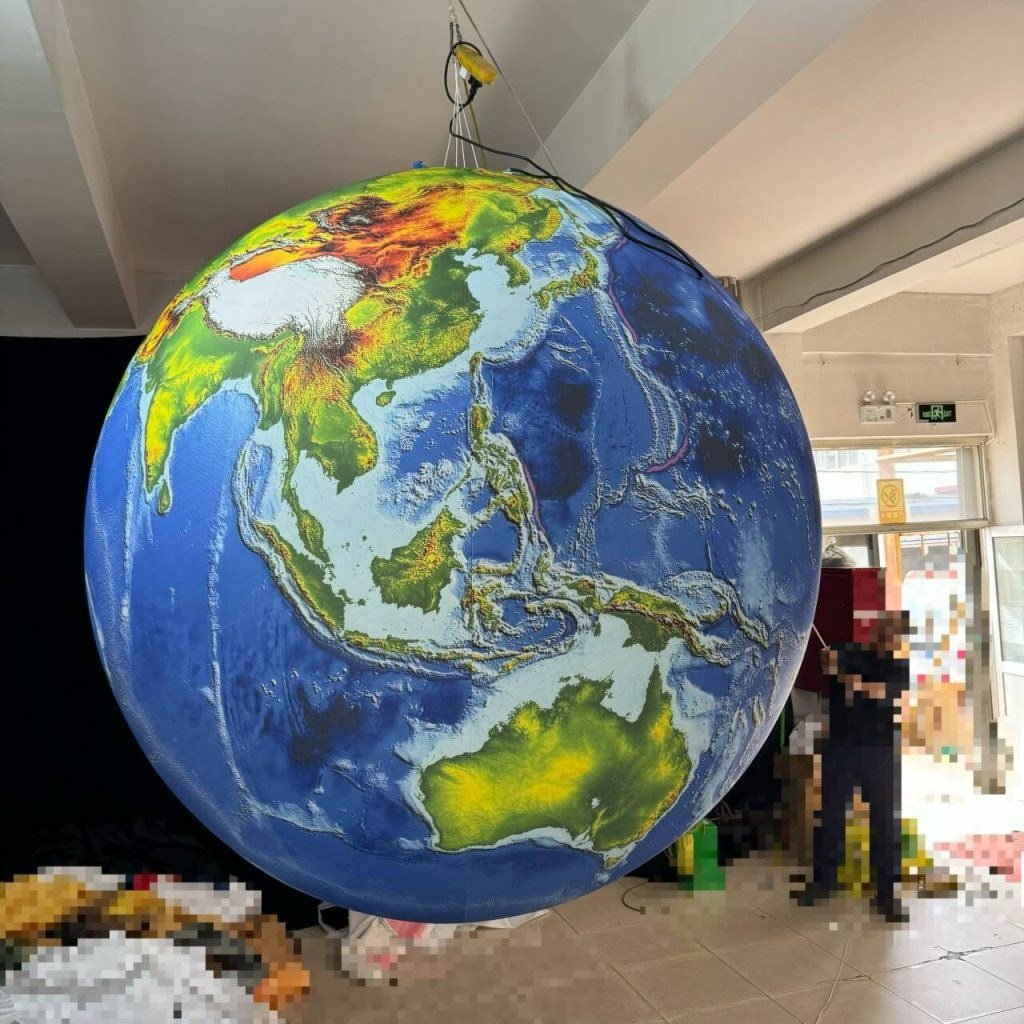
Confirm available floor space, overhead clearances, pedestrian routes, nearby heat sources, surface conditions, power access, wind exposure, and local permissions. Outdoor advertising balloons need an operating plan with approved anchoring and shutdown thresholds. Do not improvise ballast or operate in weather beyond the written instructions.
What should be approved before manufacturing?
Approve dimensions, views, colours, logo placement, air inlets, tie points, lighting, and accessories in writing. A three-dimensional visual helps stakeholders see proportions before fabric is cut. Request progress confirmation and final inflation testing, then keep manuals, repair materials, and packing instructions with the display.
Why Work with AIRART for Custom Inflatables?
How do we turn a campaign idea into a buildable design?
At AIRART, we bring design and production experience to custom inflatables from the first idea through delivery planning. Our team uses 3D modelling to show the proposed form during development, helping buyers review proportion, branding, and construction before production. We can customise shape, size, pattern, colour, and product-replica details for campaign objectives.
What support do our products include?
Our products are made with fabrics selected for the intended environment and sewn by experienced technicians. We can prepare blowers, cables, carry bags, repair materials, and relevant fittings with the order. Our after-sales approach focuses on practical maintenance and repair guidance so buyers can protect a reusable campaign asset. Explore our custom inflatable products, inspect an inflatable advertising balloon, or review how giant inflatable advertising supports offline ROI before requesting a tailored quotation.
FAQ
Q: How long does AIRART take to make a custom advertising inflatable?
A: Production time depends on design approval, complexity, material availability, and order quantity. A straightforward custom unit may take several working weeks, including design, production, testing, and packing. Confirm the current schedule before fixing an event date, and allow additional time for international freight and customs.
Q: Are giant advertising inflatables suitable for outdoor use?
A: Many are designed for outdoor campaigns, but suitability depends on fabric, seams, blower, anchoring, power protection, and the operating weather limits supplied for that model. Buyers need a site-specific setup and shutdown plan rather than assuming every inflatable is suitable for every condition.
Q: Is buying an inflatable better than renting one?
A: Buying usually makes more sense when the design is brand-specific or will be reused across several events. Renting can suit a short, generic activation with local stock. Compare the full cost per use, including artwork, freight, setup, storage, and the value of owning a distinctive branded asset.