At a crowded event, inflatable advertising should tell visitors where to look, where to enter, and what the campaign represents. A custom arch creates a branded boundary and frames the activity behind it. The best result starts with a clear purpose, not simply the largest structure. This guide covers seven arch-specific applications, essential specifications, and operating details.
Why Can an Inflatable Arch Become a High-Visibility Advertising Asset?
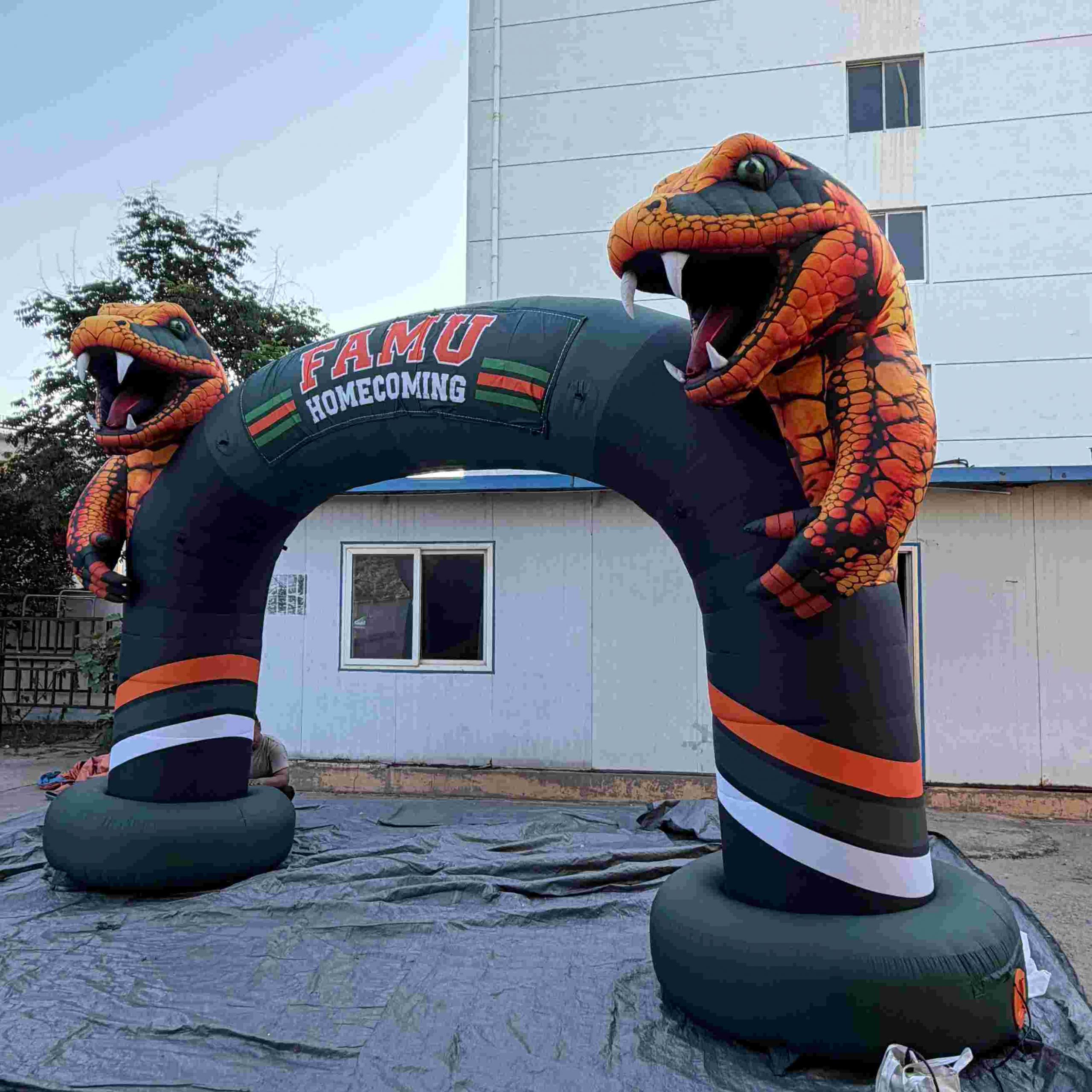
How Does an Arch Frame the Entrance and Audience Path?
An inflatable arch can mark an entrance, exit, registration point, start, finish, or zone transition. Decide which movement it must frame before specifying the clear opening, proportions, viewing sides, and placement. A sports route may use it as a checkpoint; an exhibition may use it to separate a public aisle from a branded space.
What Makes the Branding Legible from the Intended Approach?
Recognition begins with a clean silhouette and simple message hierarchy. Face the primary logo toward the main approach and place secondary graphics on the columns or reverse. An advertising inflatable manufacturer also needs usable artwork, intended viewing distances, and shape and color references. These inputs prevent decoration from competing with the message.
What Are 7 Ways to Use Inflatable Arch Advertising?
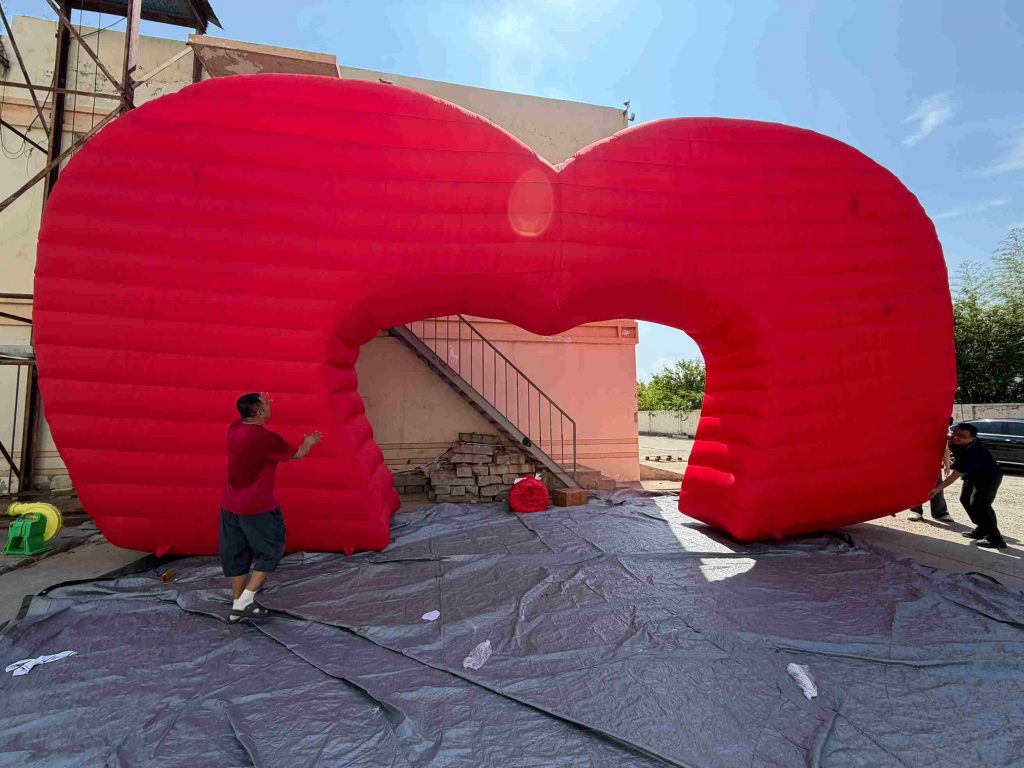
The following ideas keep the inflatable arch at the center of the campaign while assigning it a specific operational purpose.
1. Create a Branded Entrance for Trade Shows and Store Openings
Use the inflatable arch to make the arrival point unmistakable. It can frame a trade-show booth, demonstration area, or store-opening boundary. Keep the headline short, reserve space for the logo, and size the opening for the expected visitor flow.
2. Turn a Product Theme into the Arch Shape
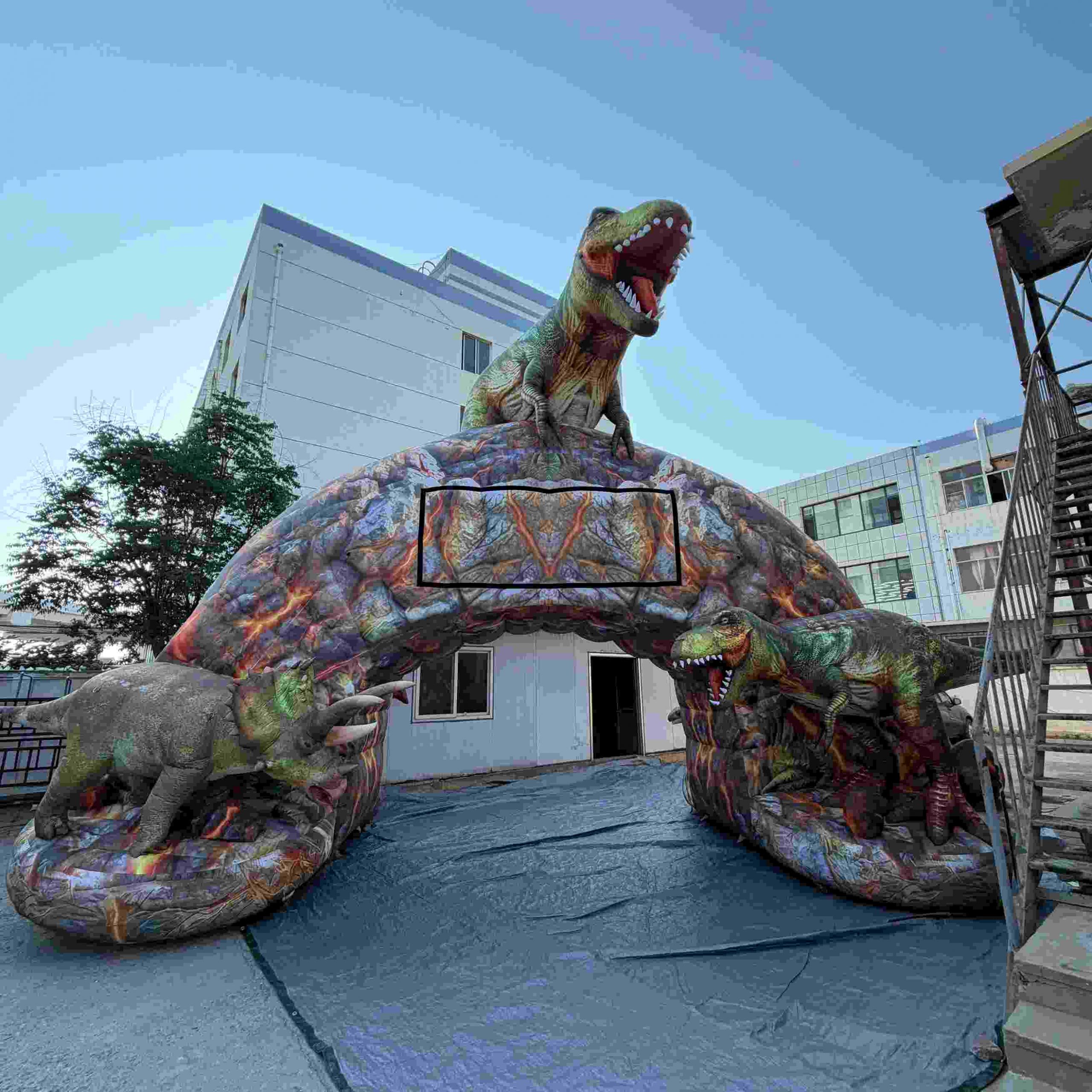
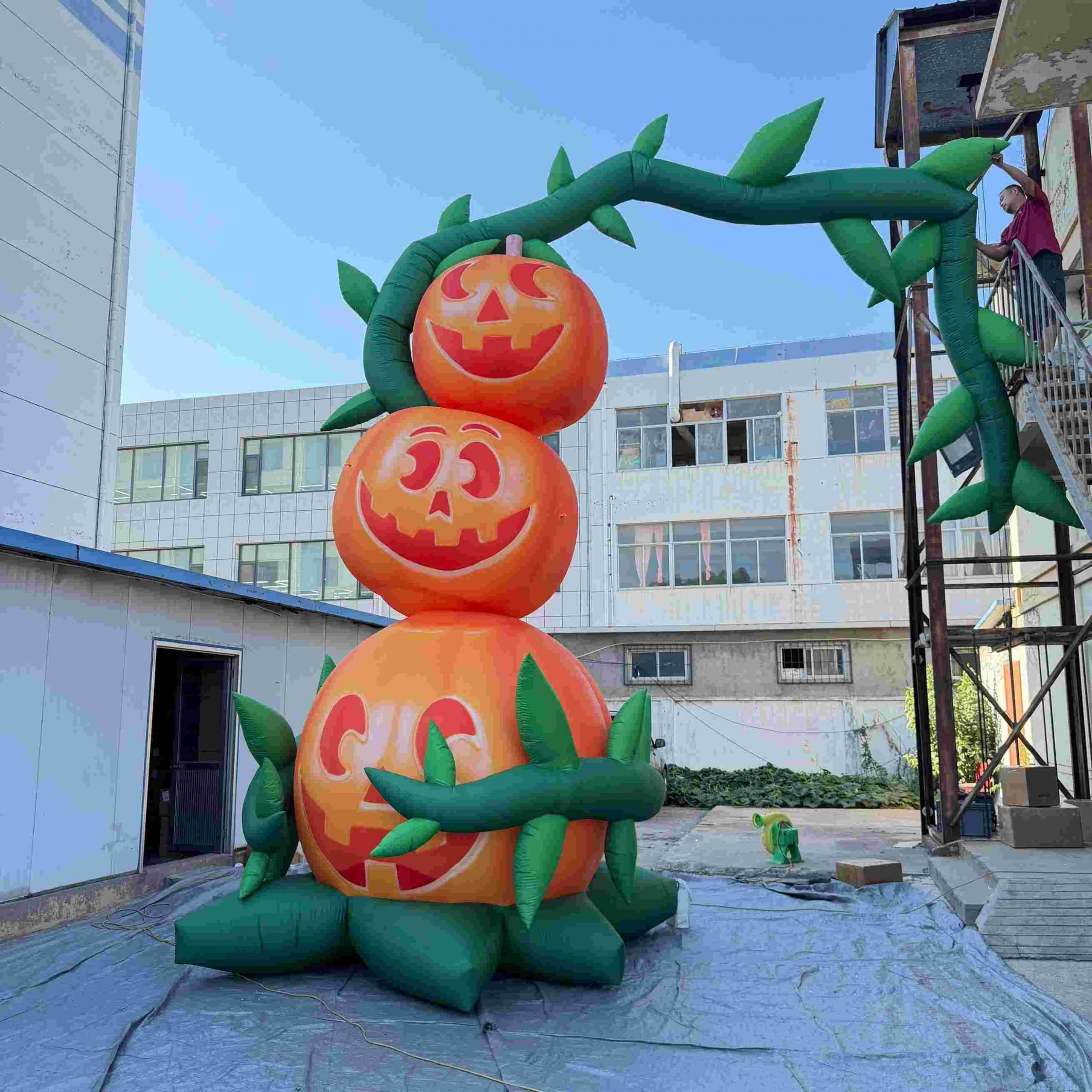
A standard curved outline is not the only option. The structure can use a custom silhouette, printed details, or attached forms that reflect the promoted product category. A campaign might draw from packaging or product geometry. The shape should remain recognizable from the main approach and practical for the required opening.
3. Mark Starts, Finishes, and Sponsor Zones at Sports Events
Sports inflatable arches can define a start, finish, team entrance, or sponsor checkpoint. Put sponsor marks on surfaces likely to appear in event photographs. Supporting forms may reinforce the theme: an advertising inflatable football can sit beside an activation while the arch remains the functional gateway.
4. Build a Photo-Ready Activation Point
An inflatable arch can frame a controlled photo location. Plan what appears inside the opening, where people stand, and which branded surfaces remain visible from common camera angles. Printed graphics can carry the identity; lighting may be considered only when that option suits the selected product and setup.
5. Guide Visitors Through Large Event Spaces
At festivals, exhibitions, and multi-zone promotions, an inflatable arch can mark entry to a demonstration, hospitality zone, or new activity area. It should support rather than replace the venue’s wayfinding system. Place each structure where visitors need a strong visual checkpoint.
6. Adapt the Inflatable Arch for Winter Festivals and Seasonal Promotions
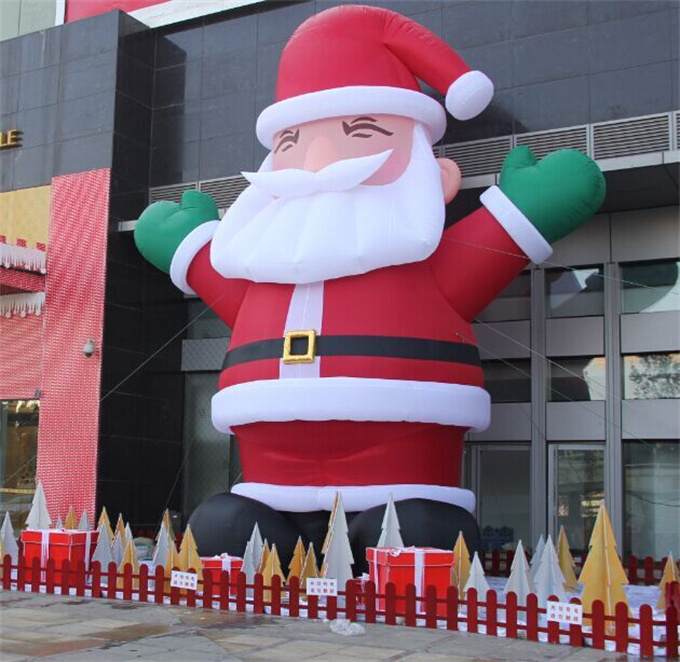
For buyers planning winter festival advertising inflatables, an inflatable arch can carry seasonal colors, themed artwork, character details, or a campaign-specific outline. Preserve logo legibility and the required passage. Review outdoor suitability, placement, power, and operating limits for the exact product and site.
7. Coordinate the Inflatable Arch with Balloons, Replicas, or Supporting Shapes
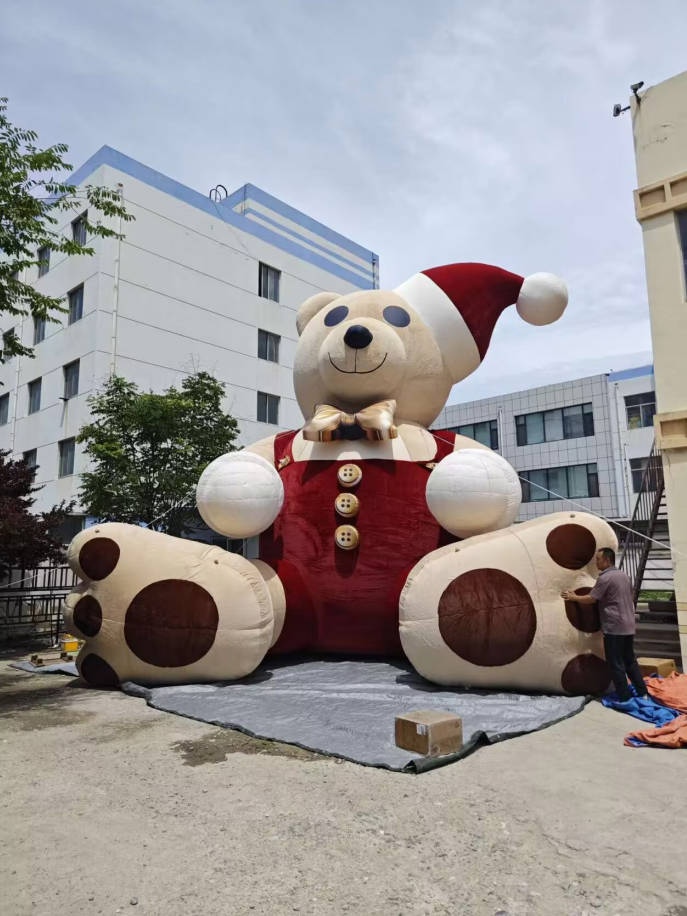
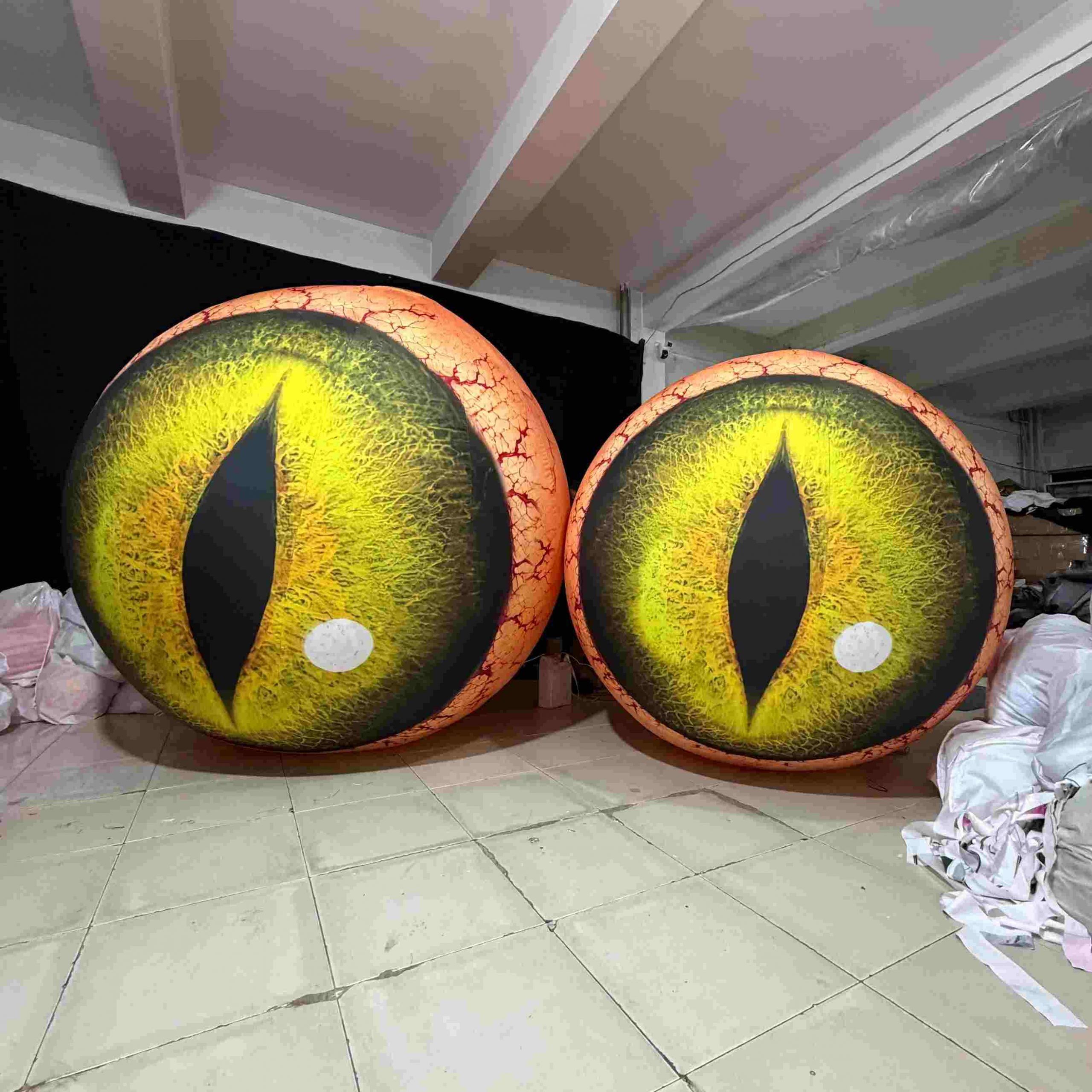
An inflatable arch does not need to carry every visual idea. An outdoor advertising balloon can act as a distant marker, while a product replica clarifies the offer near the entrance. Inflatable advertising balloons work best when they share the arch’s palette and message hierarchy, creating one campaign system.
How Should Buyers Specify a Custom Advertising Arch?
Which Size, Shape, Artwork, and Viewing Sides Matter?
State the application, available area, clear opening, and height or access constraints. Identify the front, reverse, and side views that need branding. Provide logo files, color references, text, product images, and shape examples. An advertising inflatable manufacturer can then review proportions, artwork placement, and viewing directions.
Which Blower, Lighting, Placement, and Accessories Should Be Confirmed?
The specification should identify the destination power standard and confirm the appropriate blower arrangement. Buyers should also state whether the inflatable arch will stand on the ground or use another approved placement method. Ask which fittings, cables, carry accessories, and repair materials apply to the selected product. If lighting is requested, confirm that it is available for the design and include power and operating requirements in the approved plan.
What Should Be Checked Before Outdoor or Event Deployment?
Creative approval is only part of the job. The site plan and operating process determine whether the finished structure fits the event.
How Do Site, Power, Pedestrian Flow, and Operating Instructions Affect the Plan?
Confirm the footprint, clearances, surface, power access, pedestrian routes, and venue requirements. Keep cables and equipment out of uncontrolled traffic paths. Outdoor inflatable advertising requires attention to the exact product instructions and site conditions. Assign an operator and establish a shutdown procedure for conditions outside approved limits.
How Should the Inflatable Arch Be Packed, Stored, Inspected, and Reused?
After an event, follow the supplied cleaning, drying, packing, and storage guidance for the product. Before reuse, inspect the fabric, printed areas, seams, fittings, cables, and blower components relevant to the setup. Keep the carry bag, repair materials, and instructions with the inflatable arch so they are available at the next venue. Damage or uncertain operation should be addressed before the structure returns to service.
How We Customize Inflatable Arches at AIRART
AIRART develops custom inflatable arches around the campaign brief, intended application, branding requirements, and site information provided by the buyer. Our role is to turn those inputs into a design that can be reviewed before production.
How Do We Turn a Campaign Brief into a Reviewable Inflatable Arch Design?
At AIRART, we begin by reviewing the required shape, dimensions, opening, artwork, viewing directions, placement, and accessories. Our 3D-assisted design capability helps us communicate proportion and custom form during development. We can refine the proposal with the buyer before production details are confirmed, keeping the visual concept connected to the actual event use rather than treating customization as surface decoration alone.
What Do Our Products and Custom Support Include?
AIRART products include inflatable arches for advertising, entrances, sports, and seasonal decoration, plus balloons, replicas, characters, and event inflatables. Depending on the product, our support can cover printing, blowers, carry accessories, fittings, and selected lighting. We also provide production and finished-product testing, repair materials, maintenance guidance, and after-sales support based on the approved order.
FAQ
Q: How much does a custom inflatable advertising arch cost?
A: There is no universal price. A quotation depends on size, shape, artwork, construction, printing, accessories, power standard, quantity, and delivery. Send the advertising inflatable manufacturer a complete application and site brief so the price reflects the required product.
Q: Can an inflatable advertising arch be used outdoors?
A: Some inflatable arches serve outdoor events, but suitability depends on design, placement, power protection, fittings, site conditions, and supplied instructions. The same applies to an outdoor advertising balloon. Never assume one setup or operating limit fits every inflatable.
Q: How do you keep an inflatable arch secure at an event?
A: Use the placement method, fittings, and instructions approved for the specific arch. Assess the surface, clearances, visitor movement, power, and changing conditions. Assign a responsible operator and prepare a shutdown plan instead of relying on generic anchoring rules or unverified wind thresholds.