Can You Safely Use Inflatables in the Rain?
What Happens When Inflatables Get Wet?
When inflatables face rain, several safety and performance problems can arise. Water builds up and makes surfaces more slippery. This raises the chance of falls or injuries for users. Parts such as blowers, cords, or control units may short out if they touch moisture. Such contact can lead to an inflatable not working after rain. The blower then fails to restart because of damage inside. Extended time in water may also damage seams and fabric strength. This issue shows up more with models that resist water but do not block it completely.
These inflatables use a range of blended polymer synthetic fabrics. The fabrics suit many settings and conditions well. They stand up to light moisture with ease. Yet they do not handle constant rain. Most of them manage a light drizzle fine. But heavy rain or long exposure to it needs to be avoided. This step helps stop damage to the material.
Safety Precautions Before Using Inflatables in Wet Weather
Before setting up any inflatable during wet weather, check the weather forecasts first. This step helps you prepare for shifts in conditions. Place inflatables on surfaces that drain well. That choice stops puddles from forming underneath. Waterproof covers work well for electrical equipment such as blowers and extension cords. They keep these parts safe from water splashes. When you use inflatables at public events, have adults watch over the area at all times. This step helps manage user safety when surfaces turn slippery.
For event planners wondering whether you can leave inflatable decorations in the rain, the answer depends on intensity and duration—light drizzle is manageable with proper protection, but continuous rainfall requires deflation and drying.
Setting Up Inflatables During Light Rain or Damp Conditions
How Should You Prepare the Ground and Equipment?
In light rain or when the ground feels damp, getting ready matters a lot for keeping things stable and lasting longer. Place tarps or ground sheets under your inflatable. This cuts down on direct touch with the wet soil. It also stops mud from marking the fabric. You need to fix the anchor points tightly. Wet soil lets stakes come loose faster than dry ground does. Raise blowers up on crates or waterproof stands. That keeps water out of any puddles or splashes.
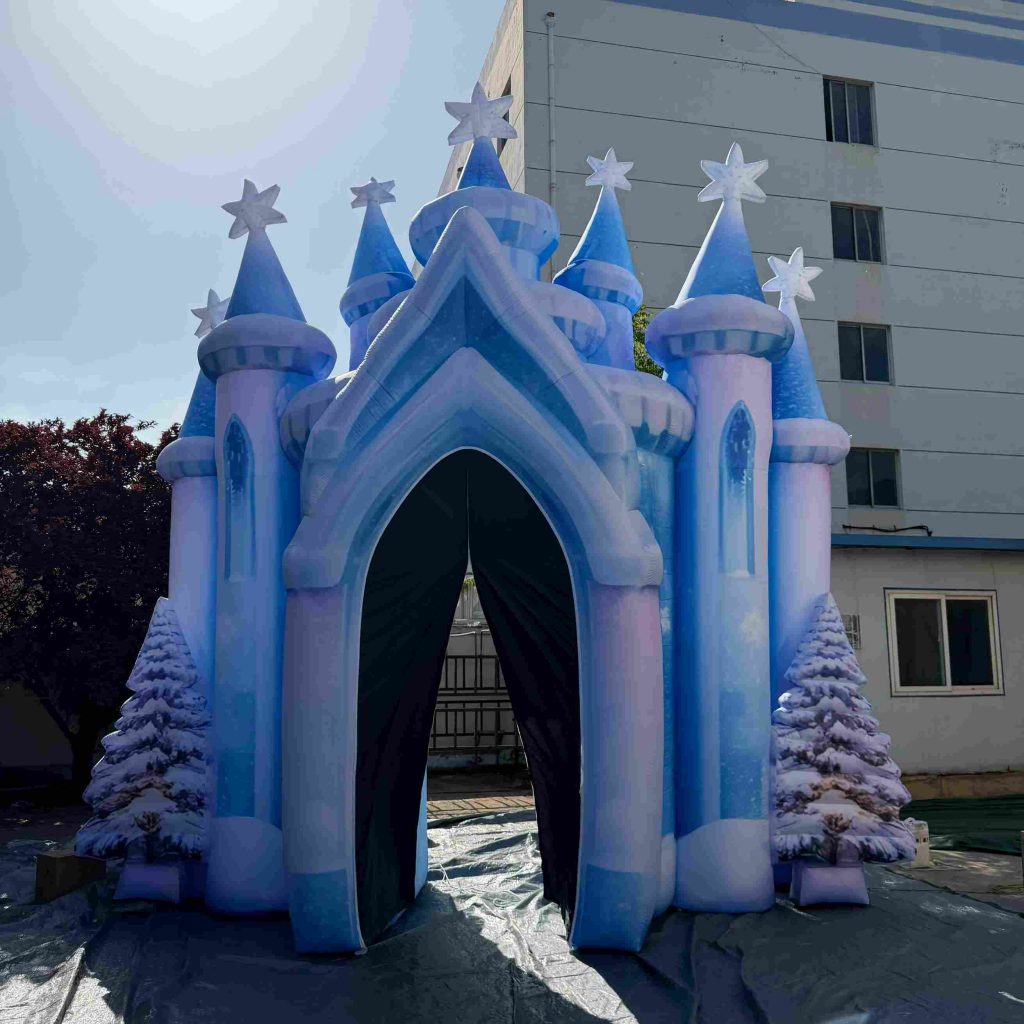
Event decoration inflatable LED lights colorful and varied, fill big empty ceilings, halls, stages, squares, etc. These decorative inflatables often include lighting systems that need extra shielding during damp setups to maintain their functionality.
Protective Measures for Power Sources and Cables
When powering inflatables outdoors during rainy events, choose extension cords rated for outdoor use. Make sure each cord includes GFCI protection. This setup helps stop electrical shocks. Place cables away from spots where puddles collect. Keep them clear of busy walkways, too. Heavy steps in those areas can damage the outer layer of the wires. Check every plug and socket for any sign of dampness before you connect power. Small drops of water may trip breakers. They can also lead to rust inside the connections as time passes.
Managing Safety During Rainy Outdoor Events
When Should You Stop Using an Inflatable Due to Weather?
It’s important to recognize when weather makes inflatable use dangerous. Stop right away if heavy rain starts falling. Do the same if thunder and lightning appear nearby. Electricity creates a real risk near wet equipment. Let out the air fast if water begins to collect on the surface. Extra weight may pull on the seams or lead to a collapse. Get all users out safely first. Then switch off the blowers or cut the power.
For those using bouncy castle rain cover accessories, these can extend usability slightly during drizzle but do not guarantee full waterproofing against storms.
How to Keep Participants Safe in Drizzling Conditions?
During light rain, keep the number of people inside an inflatable low at any time. This step cuts down on slip risks. Suggest that users go barefoot or wear socks with good grip. These choices improve hold on damp vinyl areas. Watch the activity all the time. Pay extra attention when kids take part. This way, no one slips on wet spots and loses footing.
Drying and Maintenance After Using Inflatables in Rainy Conditions
What Is the Best Way to Dry a Wet Inflatable?
Once your inflatable gets soaked in rain, proper drying stops mold from growing and keeps the material from wearing out too soon. First, blow it up just partway. This lets air move around inside and dry out water trapped in seams and folds. Use towels that soak up moisture to wipe all outer surfaces clean. Next, inflate it fully in a shady spot so it dries all the way through. Skip direct sun for long stretches. UV rays can harm the coatings if the wet fabric dries in patches.
Our usual practice is that we will ship handbags and repair kits with your inflatables so that you can repair them by yourself in the future. Having a repair kit handy ensures minor seam leaks caused by moisture expansion can be fixed quickly before storage.
Preventing Mold and Odor After Rain Exposure
Before storing any inflatable post-event, confirm there’s zero internal moisture remaining inside tubes or chambers. Use mild disinfectants on outer layers to remove dirt residues accumulated during wet use. Regularly inspect seams and blower tubes for signs of mildew; trapped dampness often leads to unpleasant odors if neglected.
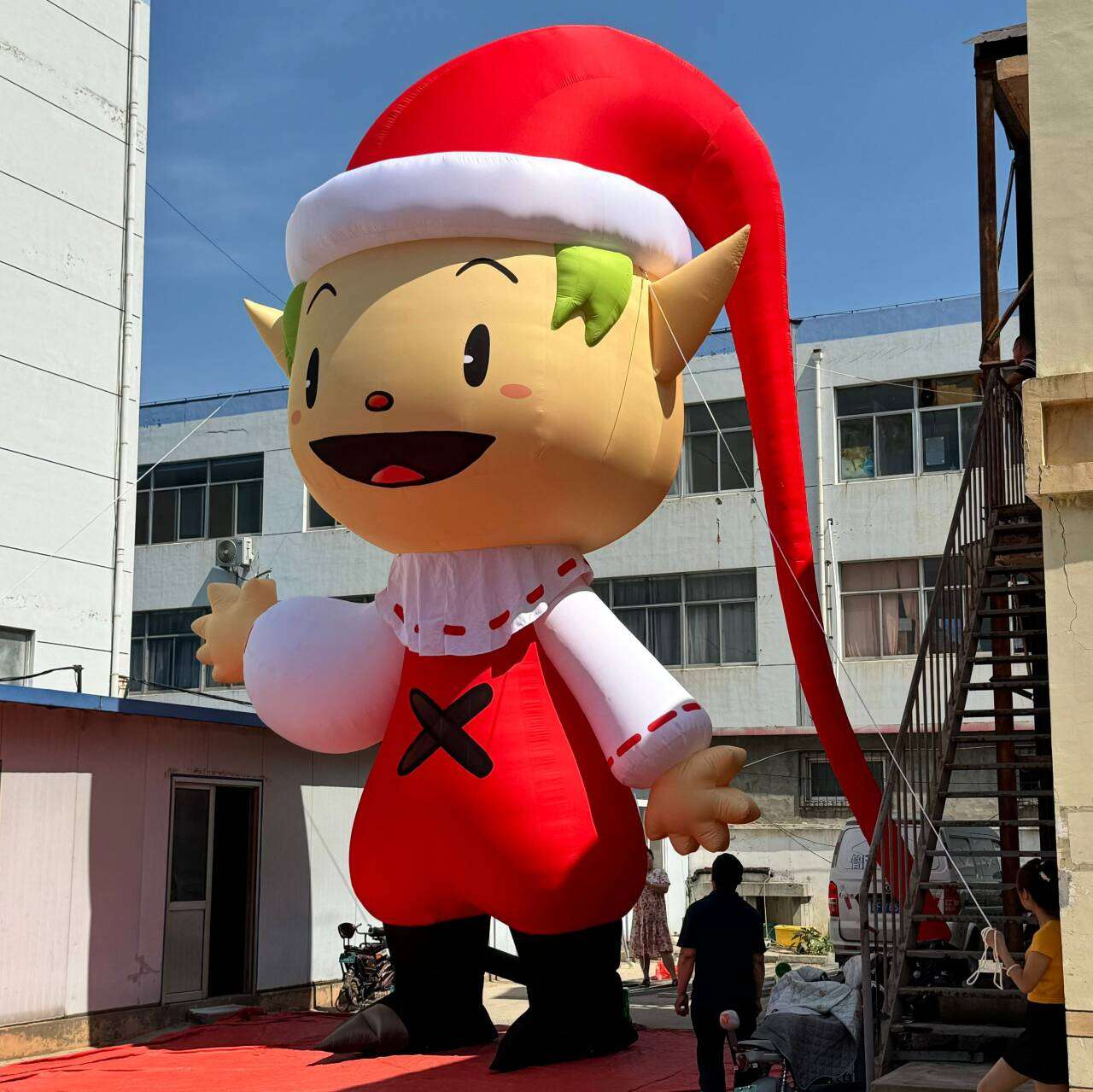
For are christmas inflatables waterproof, note that most holiday models are designed as water-resistant rather than fully waterproof—suitable for short-term outdoor display but requiring prompt drying afterward.
AIRART’s Durable Inflatables for All Weather Events
Why Choose AIRART Inflatables for Outdoor Occasions?
At AIRART, we design our inflatables using high-grade materials that perform reliably even under light rain exposure. All the inflatables are made by a variety of composite polymer chemical fiber fabrics suitable for different environments and effects. Our products undergo rigorous testing for seam strength, blower efficiency, and waterproof reliability before shipment.
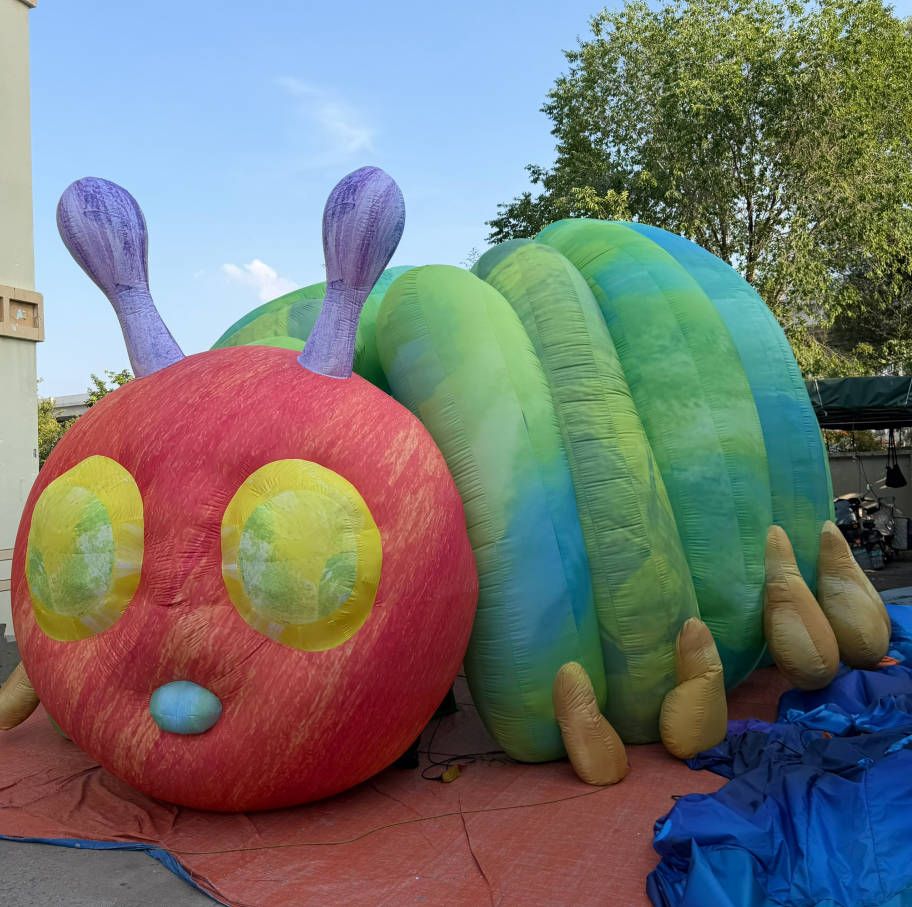
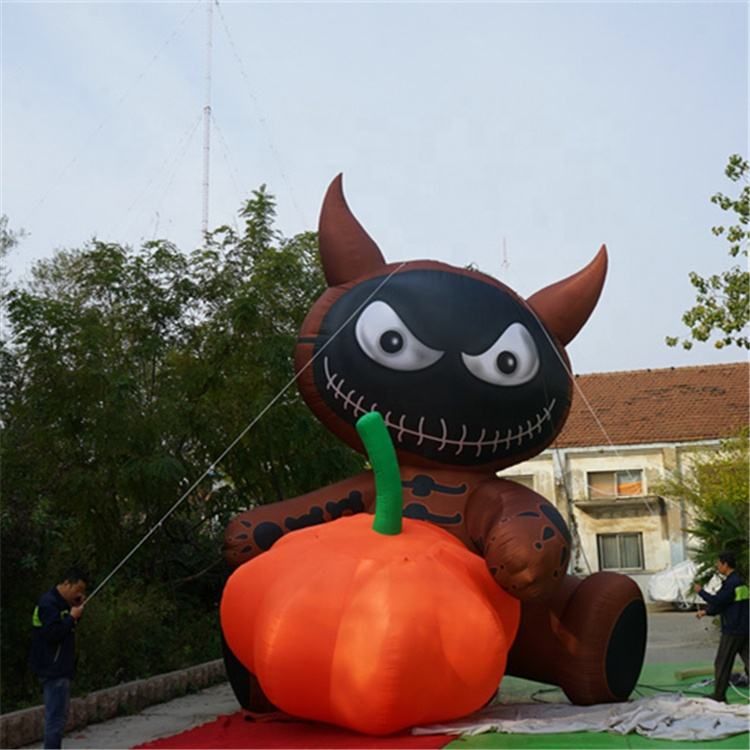
We offer diverse designs including event decoration pieces like giant flower inflatables or themed props. Whether you need an inflatable football, airtight mirror ball, or creative stage décor such as an inflatable brain model for exhibitions—we provide custom options tailored precisely to your event theme.
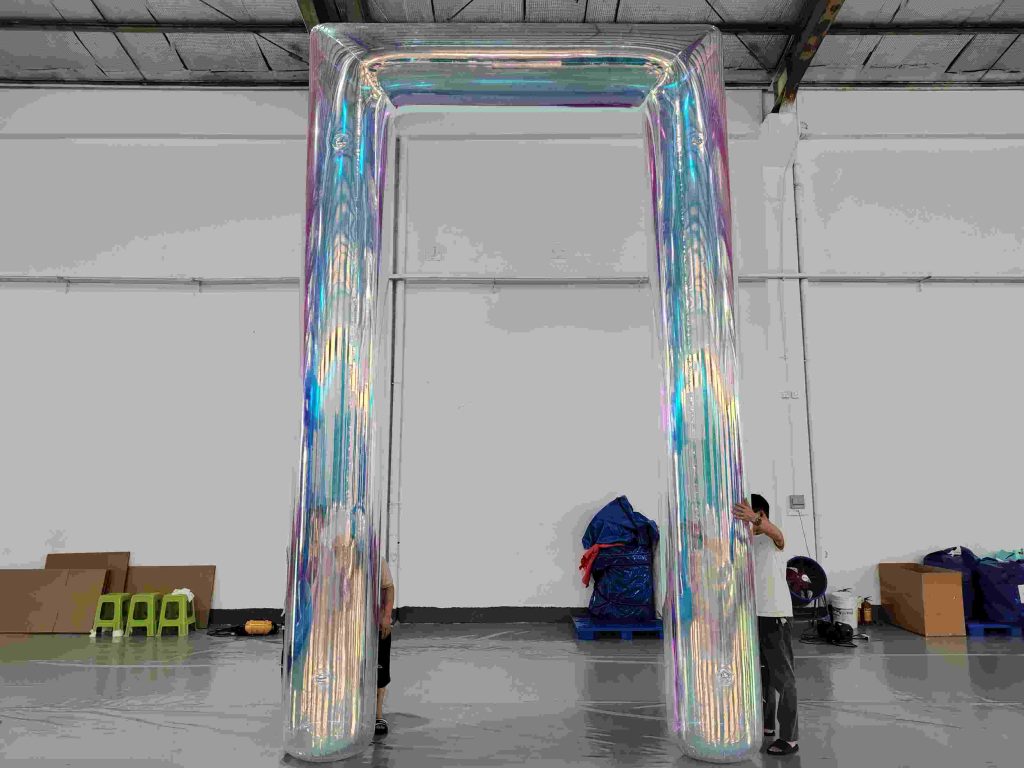
We have been inflatables business over more than 10 years and it enable us to help your idea to be reality. We not only know how to design and produce high-quality inflatable products , but also know how to promote your business in the local market and develop your business. This professional experience ensures every product we deliver meets both aesthetic appeal and functional durability standards required by outdoor event planners globally.
How AIRART Ensures Long-Term Performance in Variable Conditions
Our engineering focuses on long-term performance across variable climates—from sunny festivals to lightly drizzling evenings. Reinforced stitching enhances structural integrity during damp setups while UV-resistant coatings protect against sun damage after rainfall clears. Surfaces are easy to clean using mild soap solutions; this simplifies post-event maintenance routines, especially when equipment must be reused frequently across venues.
After-sales service is aimed at helping customers solve problems , so that customers can feel relieved and satisfied. We include user manuals detailing how best to maintain your inflatable after exposure to weather changes—ideal guidance if you ever face issues like the inflatable not working after rain due to blower moisture intake.
For wearable designs such as mascot suits or parade props requiring a waterproof costume, our team integrates protective layers ensuring comfort without compromising ventilation—a feature appreciated by performers operating outdoors under unpredictable skies.
FAQ
Q: How long does it take to dry an inflatable after rain?
A: Drying time depends on humidity levels. Typically, several hours of partial inflation combined with towel drying accelerate evaporation effectively before storage.
Q: Are all inflatables waterproof?
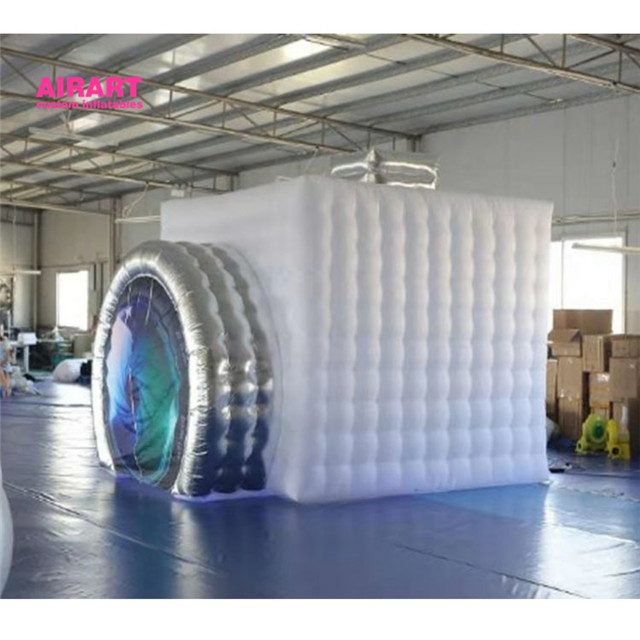
A: Not entirely—most models are water-resistant but not fully waterproof. Continuous heavy rainfall may damage materials or affect blower performance; therefore, protective measures remain essential whenever used outdoors, including inflatable marquees that are waterproof and weather-resistant. Types designed mainly for temporary shelter rather than full storm resistance.
Q: What should I do if my inflatable not working after rain?
A: First, disconnect power immediately, then check blower vents for trapped moisture; allow components ample time to dry completely before testing again. If the malfunction persists, contact AIRART support—we provide detailed troubleshooting assistance based on model type through our available after-sales service network.