

How Does Rain Affect Your Inflatables?
What Happens When Inflatables Get Wet?
When inflatables get wet, dampness might soften seams and stitching. As a result, this causes air leaks that harm their build. If you ever wondered, can inflatables get wet, the answer is yes—but with care. Long-term contact with rain could lead to mold or mildew growth. This occurs particularly if water stays caught in creases or seams. One major worry involves electrical safety. Blowers and power links face danger of short-circuiting unless well protected from dampness. That’s why it’s key to understand should you unplug inflatables when it rains—and the answer is always yes until the weather clears.
Water contact can also harm looks and lifespan. Paint or printed patterns might lose color quicker when faced with dampness and UV light at the same time. For example, water inside inflatable decorations usually results in fading and bad smells if not dried right.
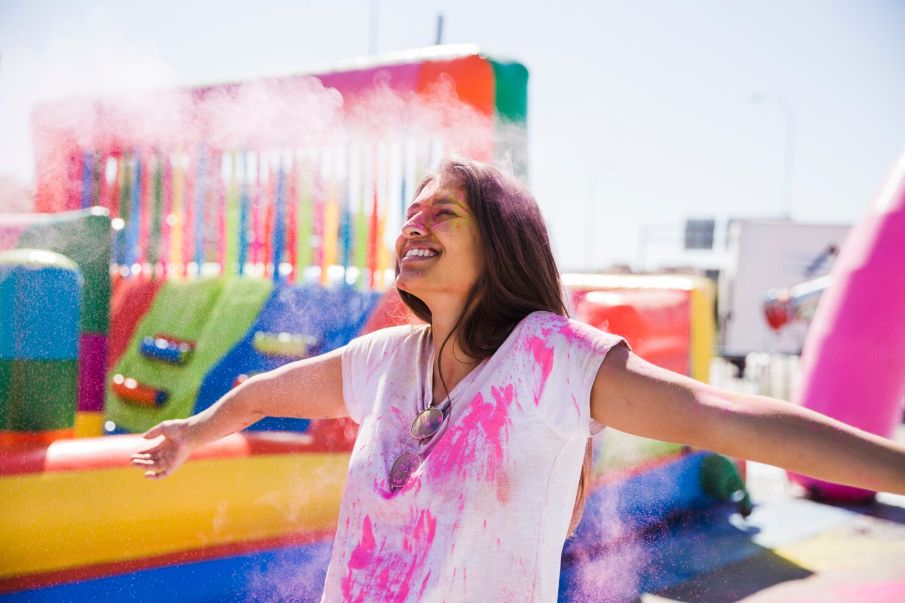
The Impact of Weather Conditions on Inflatable Durability
Strong rain and gusts can make inflatables move or fall down suddenly. Paired with UV light, dampness speeds up material wear. This cuts down on bendiness and color brightness. Good anchoring and drainage setups are important for lengthening the life of inflatables in those situations. If you’re not sure about can you run inflatables in the rain, mild drizzles might work with proper covers. However, heavy downpours should always lead to letting out air and putting them away.
Inflatable materials like oxford cloth or composite polymer fibers are built for outside strength but still need attention. All the inflatables are made by a variety of composite polymer chemical fiber fabrics suitable for different environments and effects. This helps them work fine even in tough weather when kept up properly.
5 Must-Know Tips for Caring for Inflatables in Rainy Weather
Tip 1: Choose the Right Setup Location
Picking a level spot with solid drainage stops water from gathering under your inflatable arrangement. Stay away from spots under trees. There, dropping water or dropping limbs might lead to harm. Adding waterproof ground tarps gives one more level of safeguard against dirt or small pools forming below. Such steps lower the chance of seam strain from bumpy ground and water buildup.
Tip 2: Use Waterproof Covers and Blower Protection
Always shield blowers with waterproof guards to block water from getting in while in operation. Cords rated for outdoors offer extra protection from power risks. Keeping every electrical link raised above the ground lessens touch with pooled water. This is a vital action if you’re thinking about what to do with inflatables when it rains. That basic step aids in dodging problems like an inflatable not working after rain from inside electrical faults.
Tip 3: Regularly Inspect and Dry Your Inflatable After Rain
Right after rain, clean off surfaces at once with gentle towels or microfiber cloths to stop mold from forming. Let it dry fully in the air before folding or putting away your inflatable. This action is crucial when figuring out how to dry inflatables. Stuck dampness can cause inside harm in the long run. Therefore, make sure each part is totally dry before storing. Look at seams, valves, and zippers for wear signs after being in wet weather.
If water seeps into the inside via valves or seams, let out some air first. Next, let out any gathered liquid through access points before pumping up again once it’s dry.
Tip 4: Anchor Properly During Wet and Windy Conditions
Fasten your inflatable with strong stakes or sandbags at every corner. Damp ground frequently loosens ties. Thus, regular looks during rainy times help keep it steady. Do not pump too much air. Extra force on wet fabric seams raises the odds of rips or escapes.
Anchoring setups have a central part in stopping mishaps from moving frames in storms. This is a key habit if you intend to keep inflatables in the rain for a short time while watching the weather.
Tip 5: Store Safely When Not in Use
Before putting away, let all air out of your inflatable to remove caught air spaces that could trap dampness. Keep it in a fresh, airy area far from straight sun to keep fabric stretch and color quality. Clean it well before long storage to avoid soil pileup that might mix badly with leftover damp.
If you’re worried if are inflatables waterproof, most top models give water resistance instead of full waterproofing. That means right drying stays vital after every time it’s used.
How Can You Still Enjoy Inflatables in Rainy Conditions?
Practical Ways to Keep the Fun Going Safely
Placing under big covers or short-term roofs lets you keep having fun even in light rain. Water-resistant add-ons can match inflatable displays without endangering them. Suggest brief play times followed by drying breaks in between. This works well for families asking if can you leave inflatables out in the rain without risk for short spells.
For those planning events with display items like arches or figures, guard covers make sure ongoing work without losing sight appeal in gentle weather shifts.
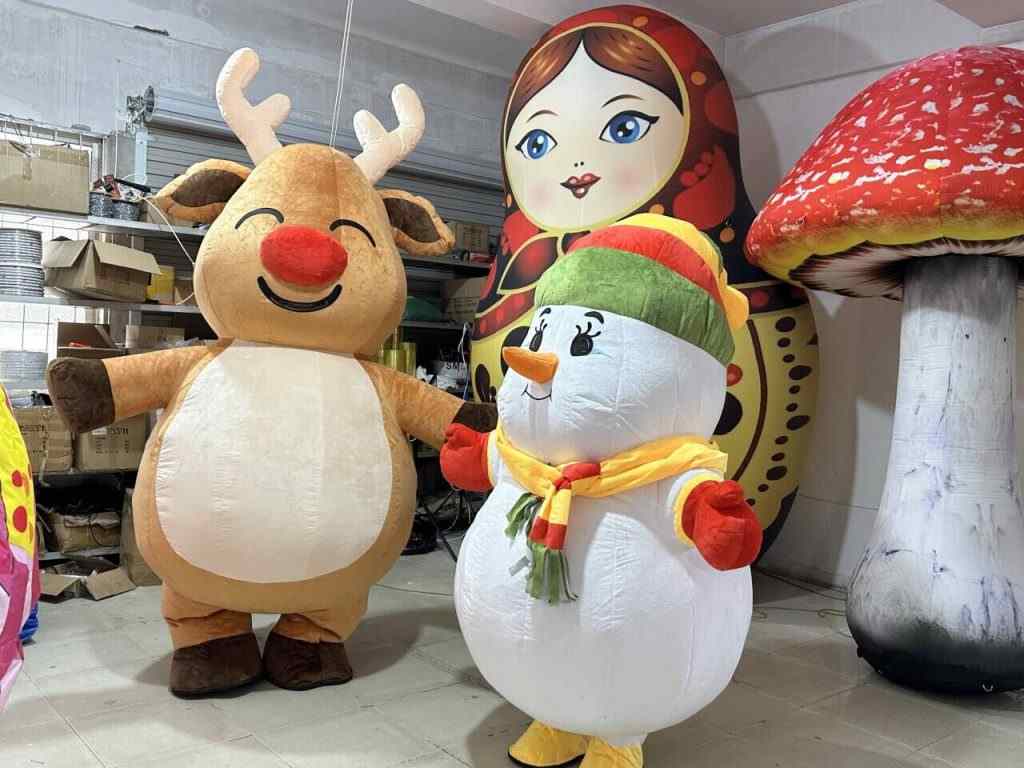
Why AIRART Inflatables Stand Out in Wet Weather Conditions
The Quality Behind AIRART’s Weather-Tough Designs
At AIRART, we craft our items with sturdy fabrics made just for outside use. All our air sculptures are created by a dedicated and skilled team in our Amsterdam studio. Each inflatable includes modern sealing methods that cut down leak chances after rain touch while holding frame strength through time.
All the inflatables are made by a variety of composite polymer chemical fiber fabrics suitable for different environments and effects. Stronger sewing guarantees reliable action even after many times touching damp. Our blowers arrive with guard shells made to lessen damp entry chance. This fits those asking if they can run inflatables in the rain without worry in managed settings.
Our catalog includes advertising arches, holiday decorations, animal replicas, sports tunnels, tents, walkabout costumes, and more versatile designs suitable for both residential yards and professional events.
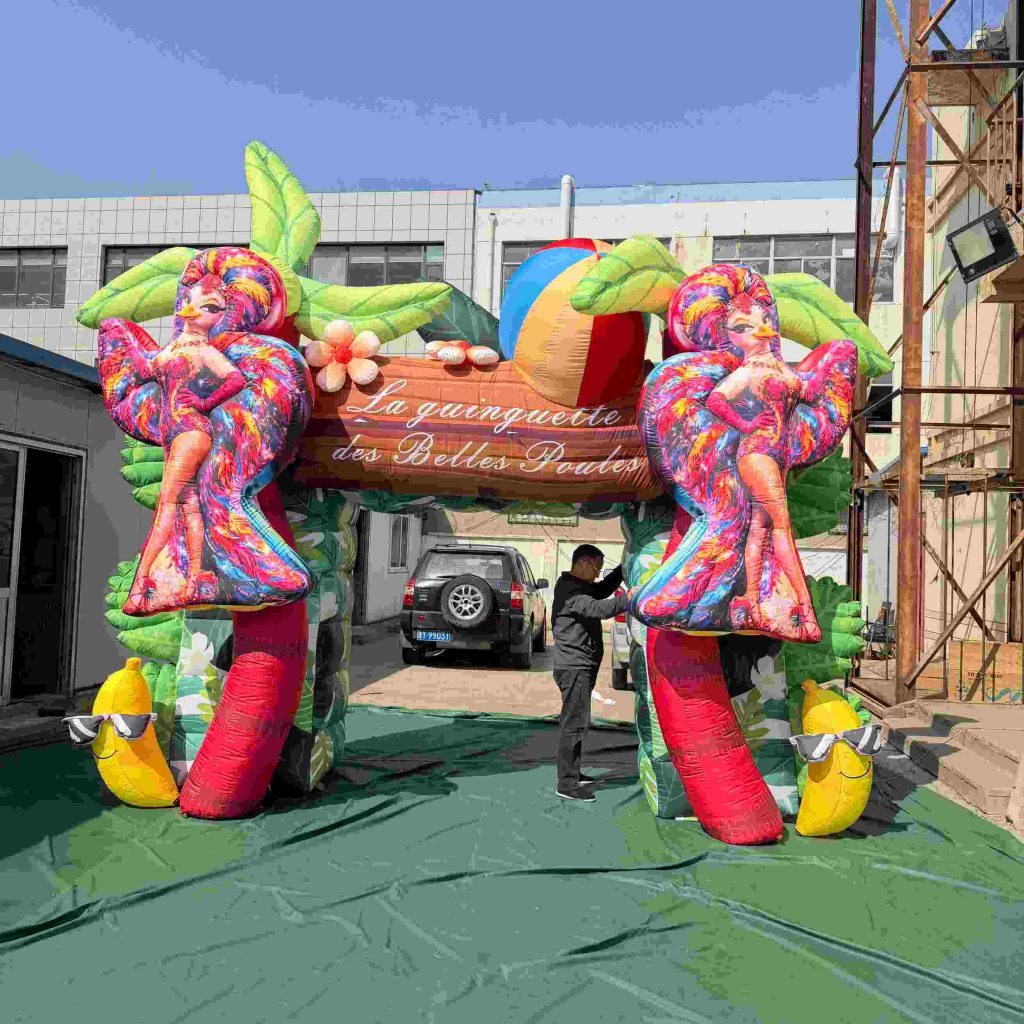
How AIRART Helps You Maintain Long-Term Inflatable Performance
We do more than just make by giving expert advice on setup methods, upkeep habits, and secure storage ways fitted for many weather types around the world. We have been in the inflatable business for more than 10 years and it enable us to help your idea to be reality.
We not only know how to design and produce high-quality inflatable products. If you want custom brand fixes or special art forms for events or business boosts, our group works together all through making—from idea drawings with 3D tools to last setup aid.
Our products blend visual charm with useful toughness fit for all-year action—even in changing weather that tests most outside displays.
For buyers looking for custom choices, we offer OEM changes from one unit (MOQ 1PCS). Custom inflatables will be our best source of creativity and value added to our customers.
FAQ
Q: Can I Leave My Inflatable Outside During Light Rain?
A: Light rain is generally safe if your inflatable uses water-resistant materials. However, always protect electrical components such as blowers using waterproof covers before continuing operation outdoors.
Q: How Do I Dry My Inflatable After It Gets Wet?
A: To learn how to dry inflatables, use absorbent towels first then allow full air drying before folding or storing away—this prevents mildew growth inside seams or folds.
Q: What Should I Do If Water Gets Inside My Inflatable?
A: If you notice water inside inflatable decorations, partially deflate them first so trapped liquid drains through openings. Afterward let them dry completely before reinflating again.