
What Are the Effects of Snow on Inflatables?
Are inflatables ok in the snow?
Inflatables can technically handle snowy conditions. However, they are not inherently snowproof. The main worry is that chilly temperatures greatly affect inflatable gear. This makes careful checking very important.
Vinyl can endure cold weather. But it grows stiffer and more delicate in freezing cold. This rigidity adds pressure on seams and fabrics. It happens especially when snow piles up on top. Plus, wetness from snow might cause mold or mildew. This occurs if you do not dry it well before storing or blowing it up again.
Thus, inflatables can work in the snow. But you must take proper safeguards.
What happens when snow accumulates on inflatables?
Snow piling up adds heavy weight to inflatable surfaces. This can cause bending or total collapse. Snow accumulation limit: 1 inch is usually the limit before you need to let out the air. If it goes beyond that, you risk lasting damage to the structure.
In addition, the melting and refreezing of snow can trap water inside seams or zipper areas. When this liquid turns to ice again, it swells. That might lead to cracks or holes. Ice buildup is also quite risky for blower units and electrical parts. If those freeze, you could deal with breakdowns or safety dangers with electricity.

Preparing Inflatables for Winter Weather
Should you leave inflatables outside in the snow?
You can keep inflatables outdoors in snowy weather. Yet it involves some risk. Harsh cold can wear down seams and printed vinyl overall. So stay cautious about possible damage and breakdown. If you live where snow is light and daytime temps stay above freezing, outdoor setups might be fine. This works best for brief times.
Still, keep an eye on temp limits. And avoid touching the units when it drops below 40°F. Always think about your local weather and how long they will be out before choosing to leave an inflatable outside.
How to keep inflatables from freezing?
To stop your inflatable from freezing:
- Deflate and store indoors when not in use during freezing temperatures. Ensure complete drying before storage.
- Use waterproof tarps or covers as shields against snow and ice.
- Elevate blowers off wet ground and shelter them with weatherproof covers. Implement regular maintenance checks and protect motors from moisture using weatherproof covers.
These basic steps will help cut down on wear. They can also make your inflatable last longer through the winter time.
What materials help inflatables survive winter better?
Not every inflatable is made the same way. Units from commercial-grade PVC or sturdy vinyl handle cold much better than flimsy plastic types. At AIRART, all our inflatables are made by a variety of composite polymer chemical fiber fabrics suitable for different environments and effects, ensuring durability even during seasonal transitions.
Seek out models with strong stitching and closed seams. Experienced sewing technicians sew them with imported fine sewing equipment, reducing the risk of seam failure due to ice expansion or material brittleness.
Daily Maintenance Tips During Snowy Days
How often should you check your inflatable in winter?
If you choose to operate an inflatable in winter, daily checks are key. Look each day for snow buildup, ice forming, or air loss problems. Use a soft broom—not a shovel—to lightly remove snow from the top. This prevents holes.
You should also watch the electrical parts closely. Check for any hints of freezing or dampness near blower links.
Can you run an inflatable continuously in cold weather?
Keeping your blower going nonstop might circulate air inside. This lowers the chance of freezing dampness. However, it adds more load to your blower engine. Using smart plugs or timers is smarter. They control when the blower runs—particularly at night.
Nonstop running can wear out blower engines. It also boosts damage to fabrics. Manage your run times wisely. This way, you keep it working while protecting its lifespan.
Storage Solutions for Off-Season Protection
When is it time to pack up your inflatables for the season?
If your region has steady temps below freezing, bring your inflatables indoors. Operating temperature should not fall below 40°F (4°C). Under that level, vinyl gets too rigid for safe operation or touching.
How should you store inflatables during winter months?
Cleaning Before Storage
Begin with a full clean—gentle soap and water do the job. Get rid of all grime and bits using okayed cleaners. Make sure each unit is fully dry before folding.
Proper Folding Techniques
Steer clear of sharp folds in cold air. Fold it loosely instead. Roll it neatly from top to bottom. Proper rolling and folding techniques are crucial for inflatable longevity.
Ideal Storage Conditions
Store inflatables in a climate-controlled space, preferably above 40°F with low humidity levels (<50%). Keep inflatables elevated off the ground using pallets or shelving systems.
Make sure to label each bag clearly and rotate stored inventory periodically to prevent material stress points.
Why AIRART Inflatables Are Built for All Seasons
What makes AIRART inflatables winter-ready?
At AIRART, we proudly build inflatables that face tough weather. Our products are made using a variety of composite polymer chemical fiber fabrics suitable for different environments and effects. We also use high color fastness materials combined with acoustic, optoelectronic and other new media, ensuring vibrant appearance and functionality even during cold months.
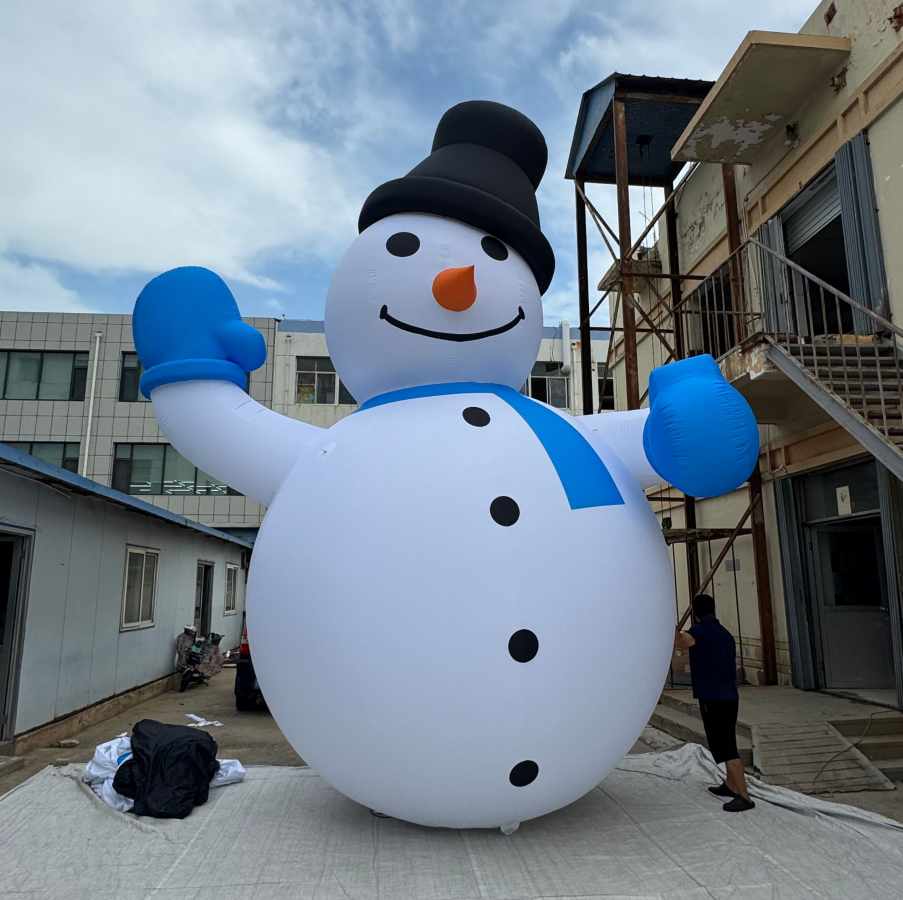
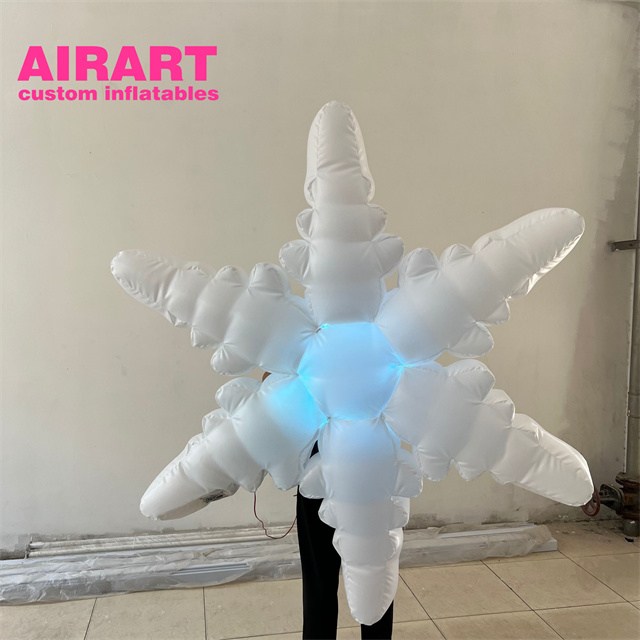
Our giant 8m inflatable snowman and movable star inflatable snowflakes are designed specifically for winter events—customizable in shape, size, lighting, and more. They’re perfect for snowy outdoor festivals or indoor holiday exhibitions alike.
How does AIRART support inflatable owners during winter?
We give every buyer clear winter care guides. Our after-sales service aims to keep you feeling backed all season. After sales service is aimed at helping customers solve problems, so that customers can feel relieved and satisfied.
In addition, we provide extras like all-weather tarps, protective blower covers, and installation kits tailored for seasonal use. And if you’re dreaming of a one-of-a-kind inflatable display—we’re here to design it with you. If you have something in mind, we will work with you to create an inflatable that suits your needs.
FAQ
Q: Can I use my holiday yard inflatable after a snowfall?
A: Yes, but clear off any snow first and ensure the blower is dry before plugging it in.
Q: Will freezing temperatures permanently damage my inflatable?
A: They can if the material becomes brittle or if water freezes inside folds—store indoors when not in use.
Q: What’s the safest way to remove ice from an inflatable surface?
A: Avoid scraping—use warm (not hot) water gently poured over icy spots, then dry thoroughly before re-inflating.
Q: What to do with inflatables when it snows?
A: When snow is forecast: Deflate and store units indoors; Remove all moisture before storage; Never attempt to remove snow while inflated; Wait for complete thaw before reinflation.
Q: Can I customize a winter-themed inflatable?
A: Absolutely! At AIRART, we specialize in custom designs for all seasons—including winter. Whether it’s a giant snowman or illuminated snowflake patterns, we’ll bring your vision to life.